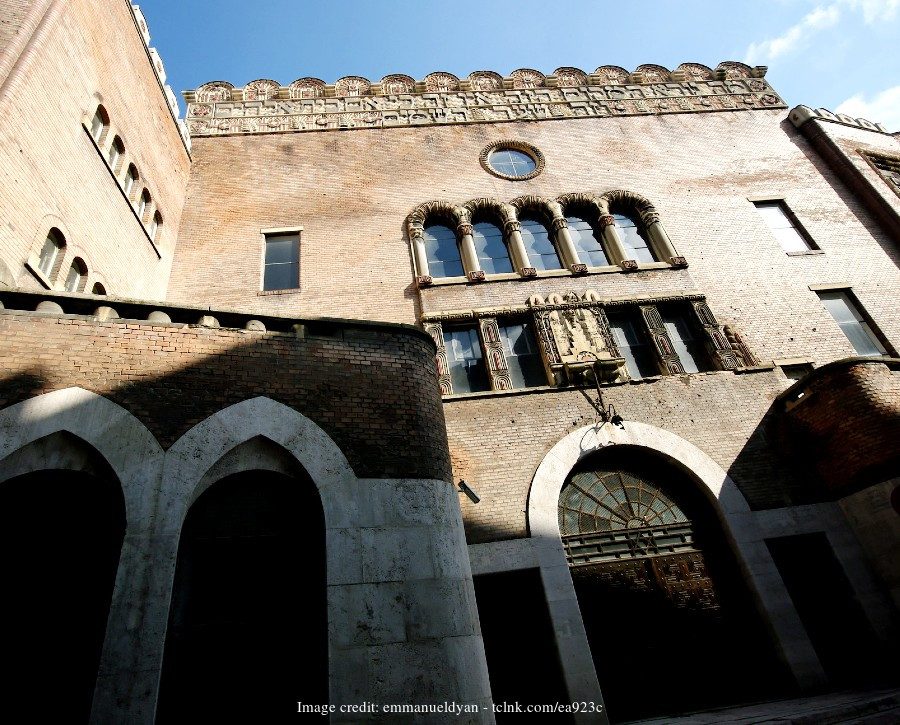
Kazinczy Street Synagogue
8 min walk
This Orthodox synagogue showcases unique Art Nouveau architecture and is located near many traditional kosher eateries.

The Jewish Quarter in Budapest's District VII centers on Dohány Street Synagogue and radiates through Kazinczy, Wesselényi, and Rumbach streets—a compact network of memorial sites, heritage buildings, and quiet courtyards. This guide maps the core route, marks the essential stops, and explains what you'll encounter along the way.
Quick answer
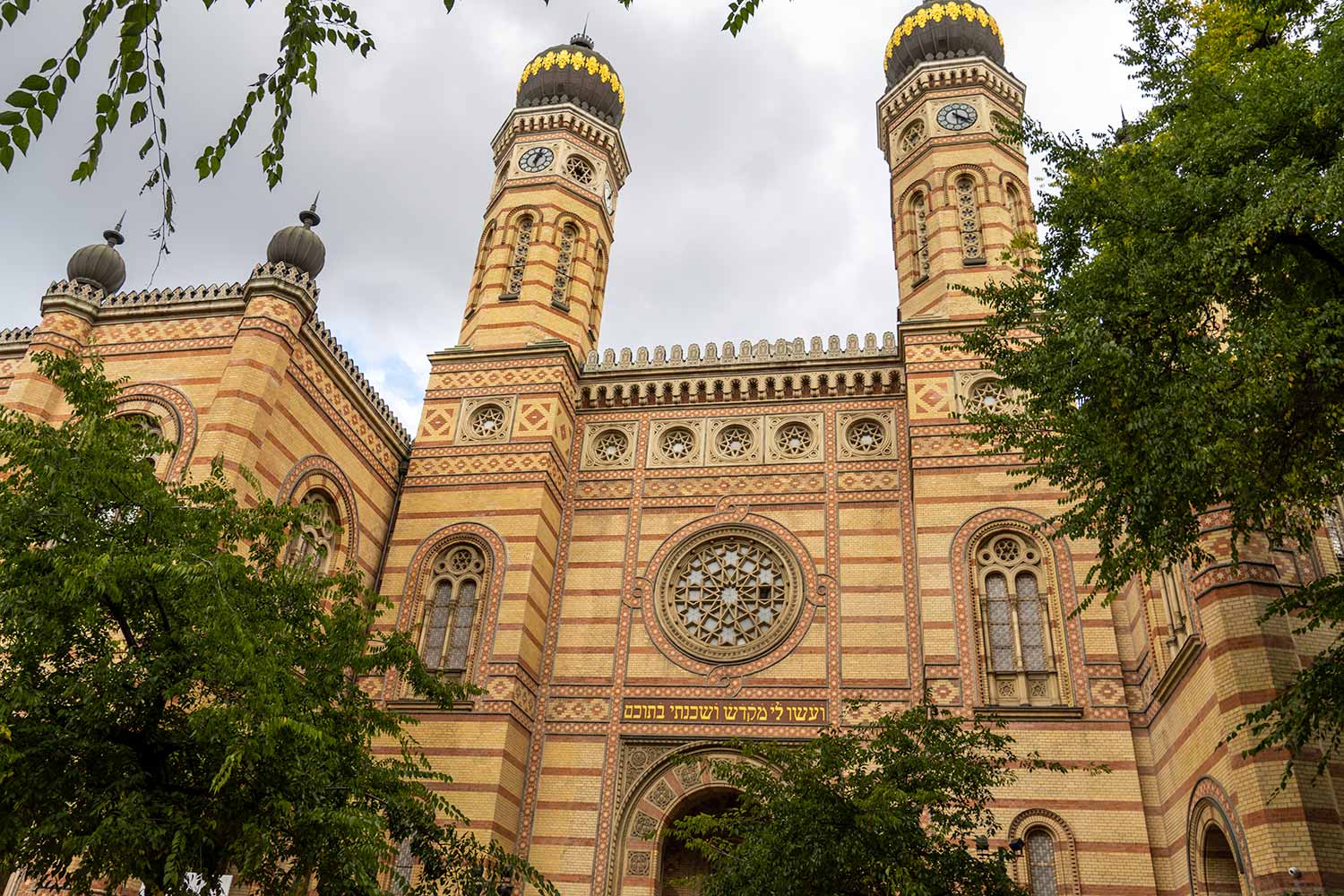
A budapest jewish quarter walking tour map traces a 1.5 to 2-kilometer loop starting at Dohány Street Synagogue (Dohány utca 2), continuing through the Raoul Wallenberg Memorial Park, Kazinczy Street Synagogue, and Gozsdu Courtyard, then returning via Rumbach Street. The full circuit takes two to three hours at a walking pace, with time for entry into the synagogue and museum. Most visitors begin at Dohány Street, open Monday through Thursday and Sunday 10:00–18:00, Friday 10:00–16:00, closed Saturday.
Dohány Street Synagogue anchors the largest contiguous Jewish quarter in Central Europe, and its twin onion domes serve as the visual reference point for every route through the district. Built in 1859 by Ludwig Förster in Moorish Revival style, the synagogue seats 3,000 and remains the largest in Europe and the second largest in the world. Behind the main sanctuary lies the Jewish Museum, housed in the birthplace of Theodor Herzl, and beyond that the Raoul Wallenberg Memorial Park, where the Tree of Life sculpture honors the 600,000 Hungarian Jews murdered during the Holocaust. A budapest jewish quarter walking tour map typically begins at Dohány utca 2 and moves north along Wesselényi Street toward Kazinczy Street Synagogue, a smaller Orthodox house of worship still in active use. The route passes the former ghetto boundary markers—bronze plaques embedded in the pavement along Király, Síp, and Dob streets—that delineated the area where 70,000 Jews were confined in 1944. Gozsdu Courtyard, a restored passageway linking Dob and Gozsdu streets, now functions as a pedestrian arcade but retains the original 1904 ironwork and stone detailing. Rumbach Street Synagogue, designed by Otto Wagner in 1872, marks the southern edge of the walking circuit. Its Moorish façade mirrors Dohány Street's architectural language but on a more intimate scale. The synagogue underwent restoration between 2006 and 2021 and now hosts concerts and cultural events. From Rumbach, the route loops back to Dohány Street via Madách Square, completing a compact figure-eight that covers the quarter's principal heritage sites without requiring backtracking. The district's street grid follows a dense orthogonal pattern, with most blocks measuring 80 to 100 meters on a side. Sidewalks are narrow, and cobblestone paving persists on secondary streets, so comfortable footwear is practical. The quarter lies entirely within walking distance of the M2 metro line's Astoria and Blaha Lujza tér stations, and tram line 47 and 49 run along the eastern boundary on Rákóczi Avenue. Security screening applies at Dohány Street Synagogue, and bags larger than 30 by 40 centimeters are not permitted inside.
“The Tree of Life sculpture in the Raoul Wallenberg Memorial Park bears the names of victims on every one of its metal leaves—a forest of remembrance rooted behind the synagogue's eastern wall.”
This route works for visitors who want to cover the Quarter's core landmarks in a single morning or early afternoon, allowing two to three hours from entry to final stop. It balances guided portions inside the synagogue with self-paced exploration of surrounding memorial and cultural sites.
Pass through security and join the guided tour of the sanctuary, balcony, and Ark. Allow 45–60 minutes for the tour and museum exhibits inside.
Step into the courtyard behind the synagogue to see the Tree of Life memorial and mass grave markers. Spend 15–20 minutes walking the paths.
Walk three blocks northeast to visit the smaller Orthodox synagogue, open for viewing on weekdays. Budget 20–30 minutes if you go inside.
Continue west through the historic passageway lined with cafés and shops, a natural midpoint for a break. Allow 15 minutes to walk through or longer if stopping.
Head south one block to see the Moorish Revival façade and interior restoration. Plan for 15–20 minutes if open for entry.
Finish at the northern edge of the Quarter near vintage shops and street-art alleys. Reserve 20–30 minutes for browsing before heading onward.
The Dohány Street Synagogue is open daily except for Saturdays, when it remains closed for the Sabbath. Please check the weekly schedule below when planning your Jewish Quarter walking tour route.
The best arrival window is 10:00–14:00 to minimize wait times at security and ensure a comfortable pace for your exploration. Arriving during this period helps bypass the heaviest midday congestion.
—
Visiting Tuesday through Thursday avoids the heavy weekend surge.
Mild temperatures (12°C–20°C)
These months offer pleasant walking conditions for touring the district on foot.
Warm temperatures (20°C–28°C)
Expect larger groups during July and August and ensure you plan accordingly for outdoor segments.
Verdict: Tuesday to Thursday, arriving at 10:00, during the months of April or October provides the most balanced experience.
The Dohány Street Synagogue serves as a central point for exploring the historic Jewish Quarter. These nearby landmarks provide additional historical context and cultural depth to your walking tour.
8 min walk
This Orthodox synagogue showcases unique Art Nouveau architecture and is located near many traditional kosher eateries.
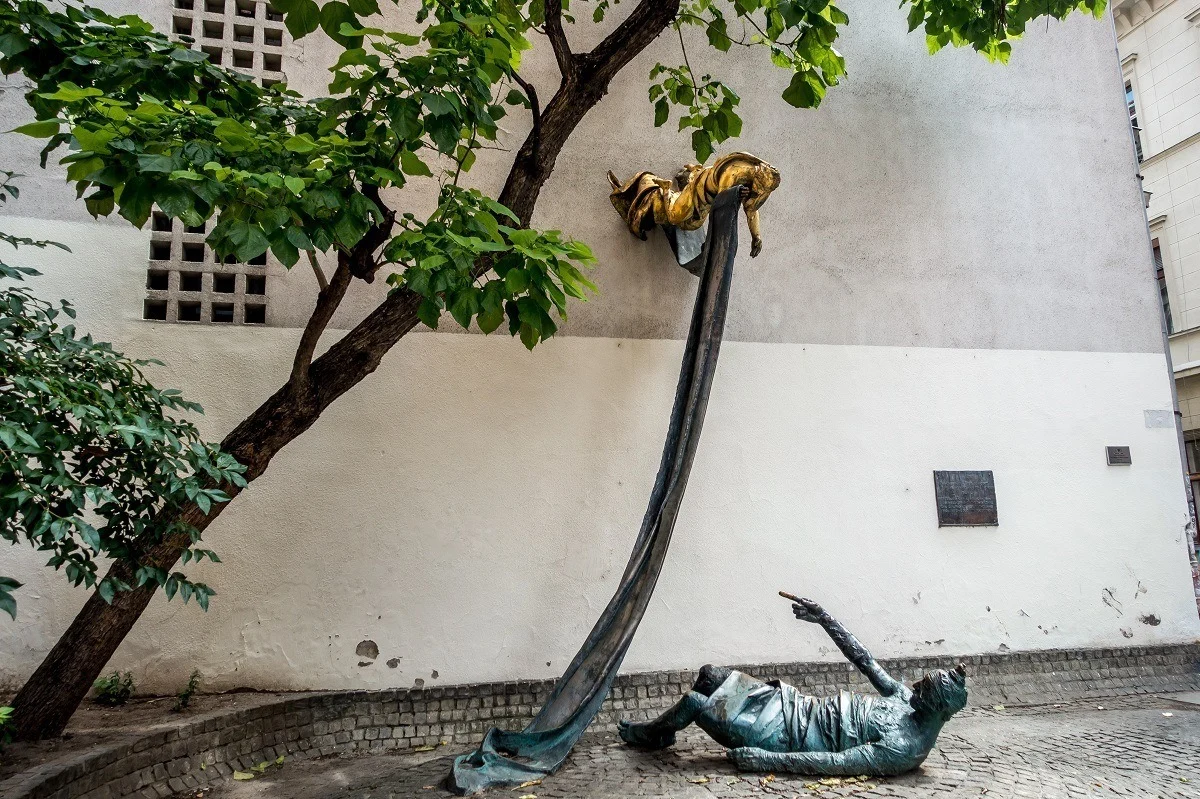
5 min walk
Located near the Rumbach Street Synagogue, this site honors the diplomat who saved thousands of lives during the Holocaust.
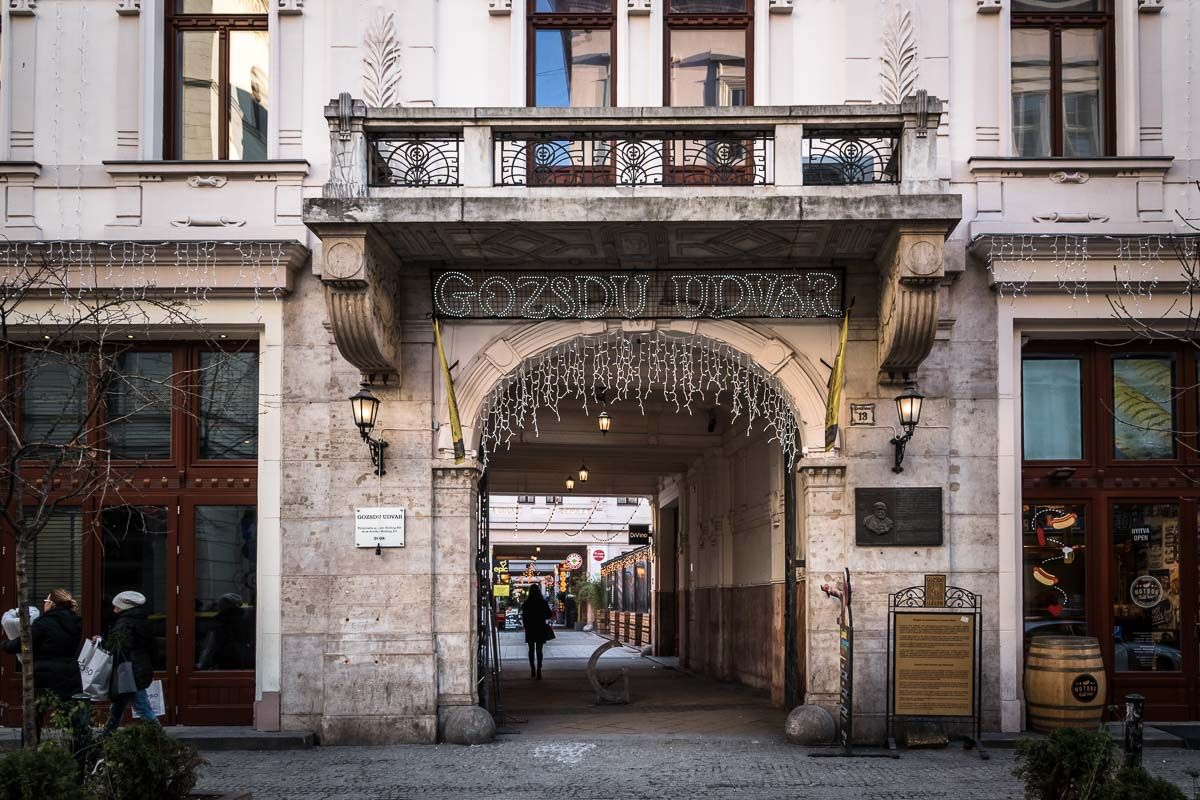
6 min walk
Once part of the Jewish Quarter, this complex of interconnected courtyards now offers a transition to local social life and craft shops.
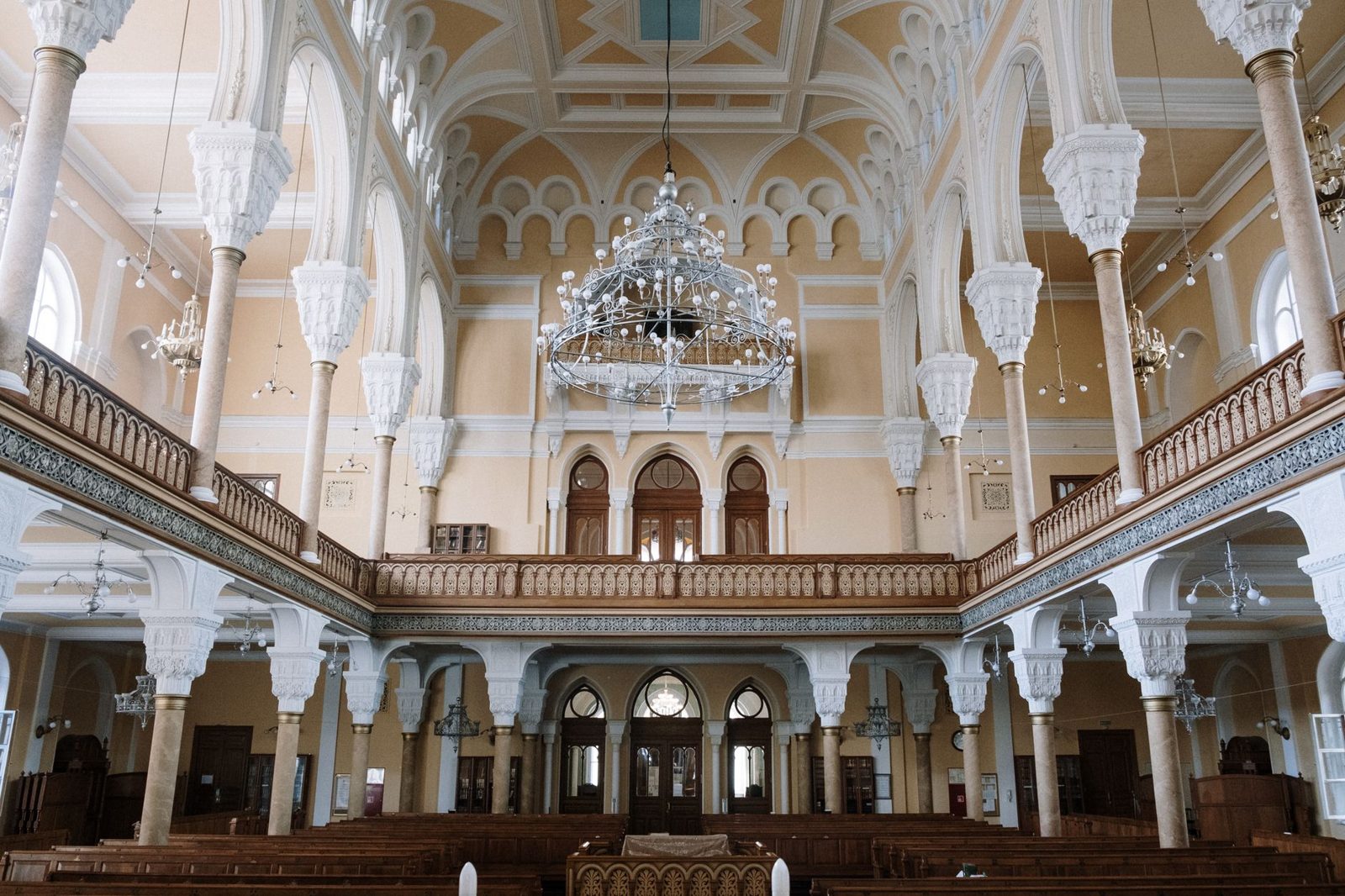
4 min walk
Following your visit to Dohány Street, this recently restored building offers further insight into the diverse architectural heritage of the community.
The Dohány Street Synagogue complex features several distinct areas that provide context to the history of the Jewish Quarter. Exploring these zones allows visitors to observe the architectural details and commemorative memorials within the site.
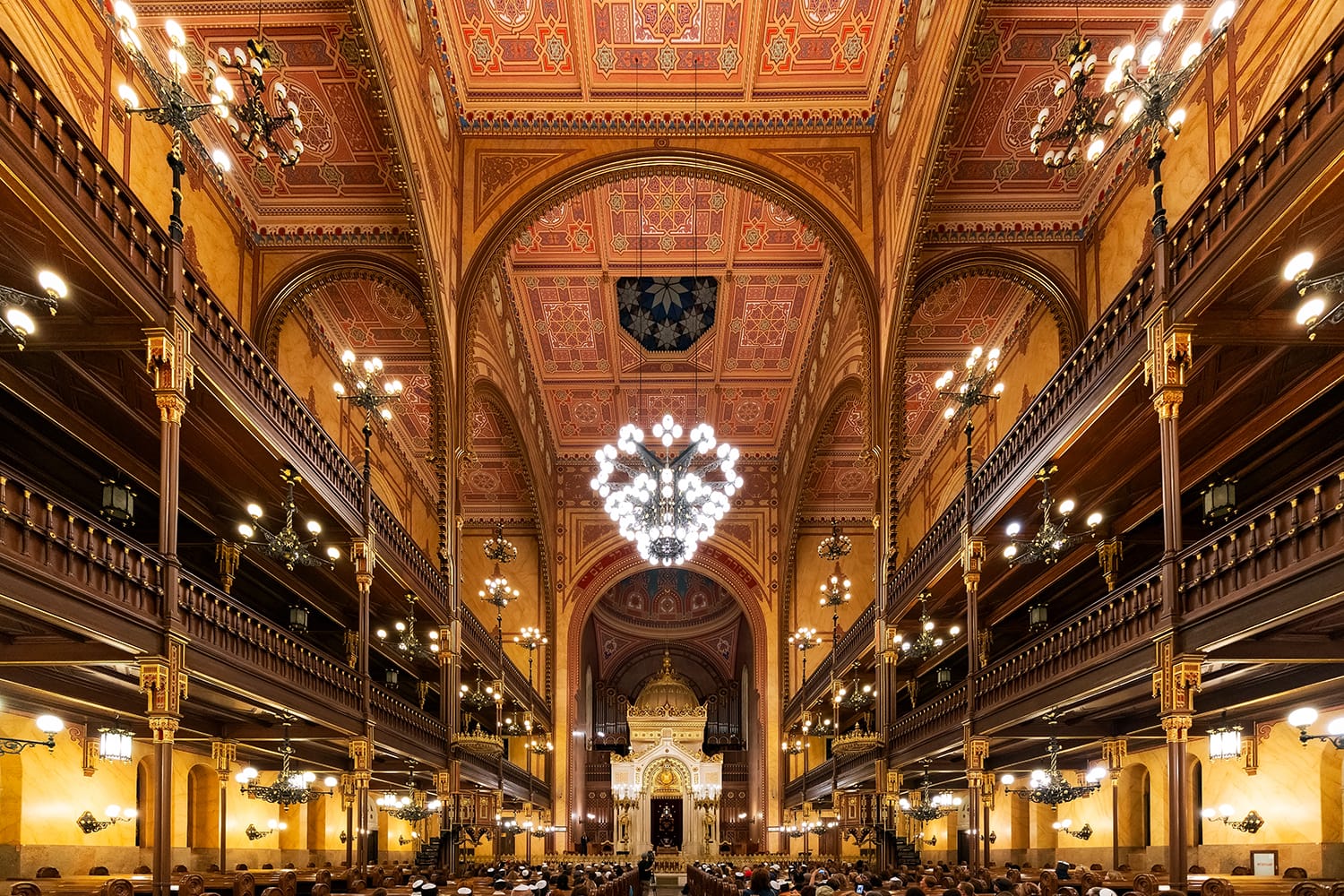
The main sanctuary features Moorish Revival architecture, characterized by its intricate geometric patterns and large gold-leafed archways.
Look up at the ceiling to view the ornate central dome.
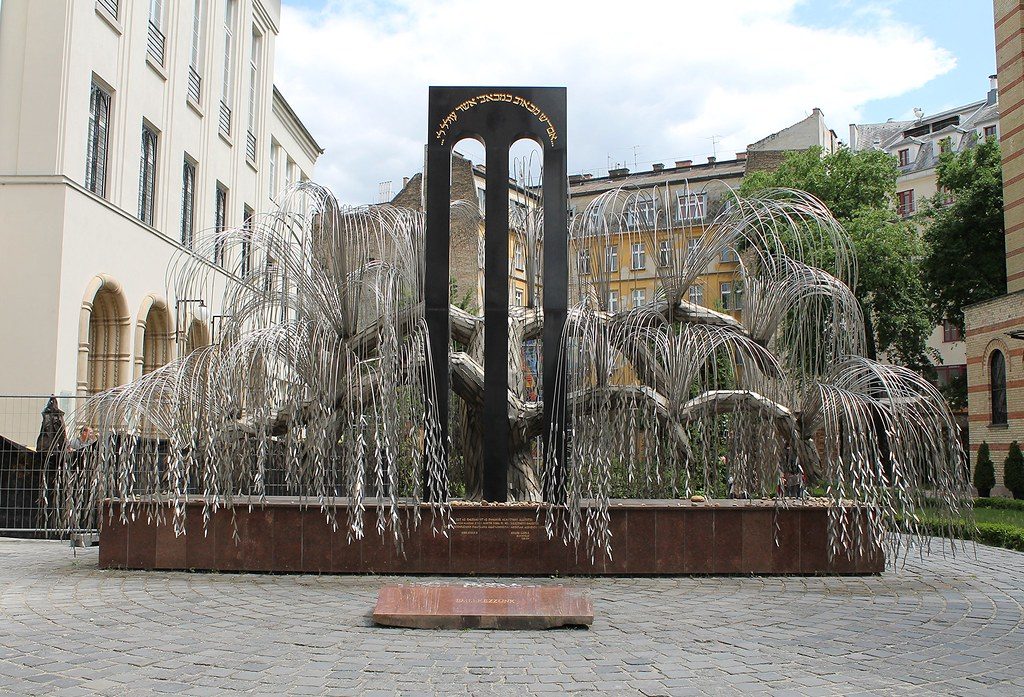
Located behind the synagogue, this area serves as a tribute to those who aided the Jewish community during the Holocaust.
Notice the Tree of Life memorial sculpture made of silver metal.
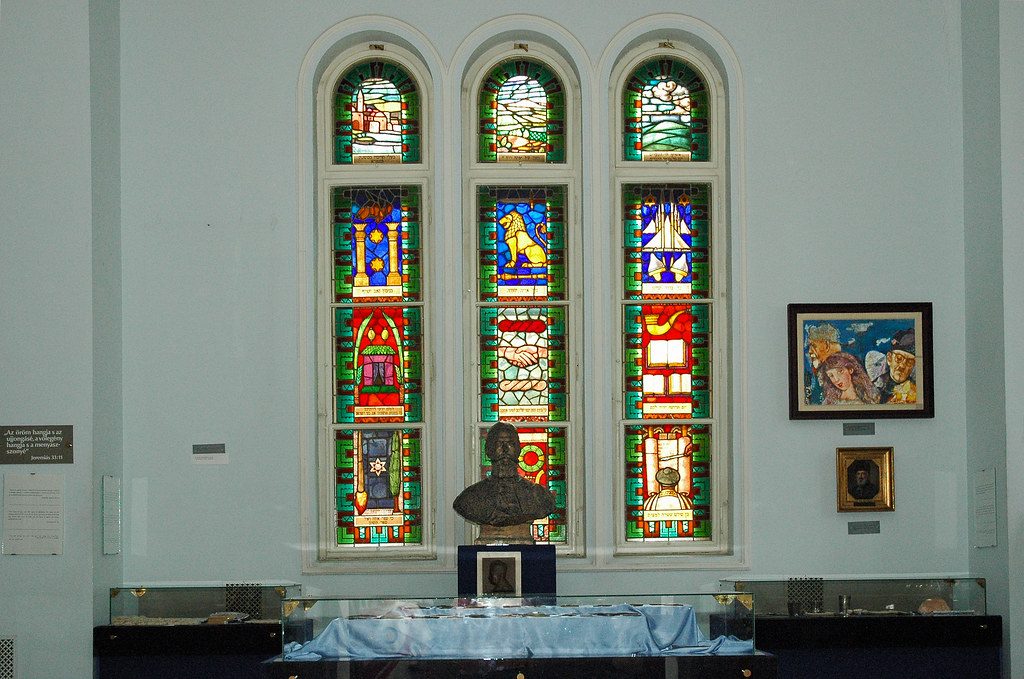
This institution houses a collection of religious artifacts, ceremonial objects, and historical documents related to Hungarian Jewry.
Spend time examining the rare silver Sabbath lamps in the display cases.
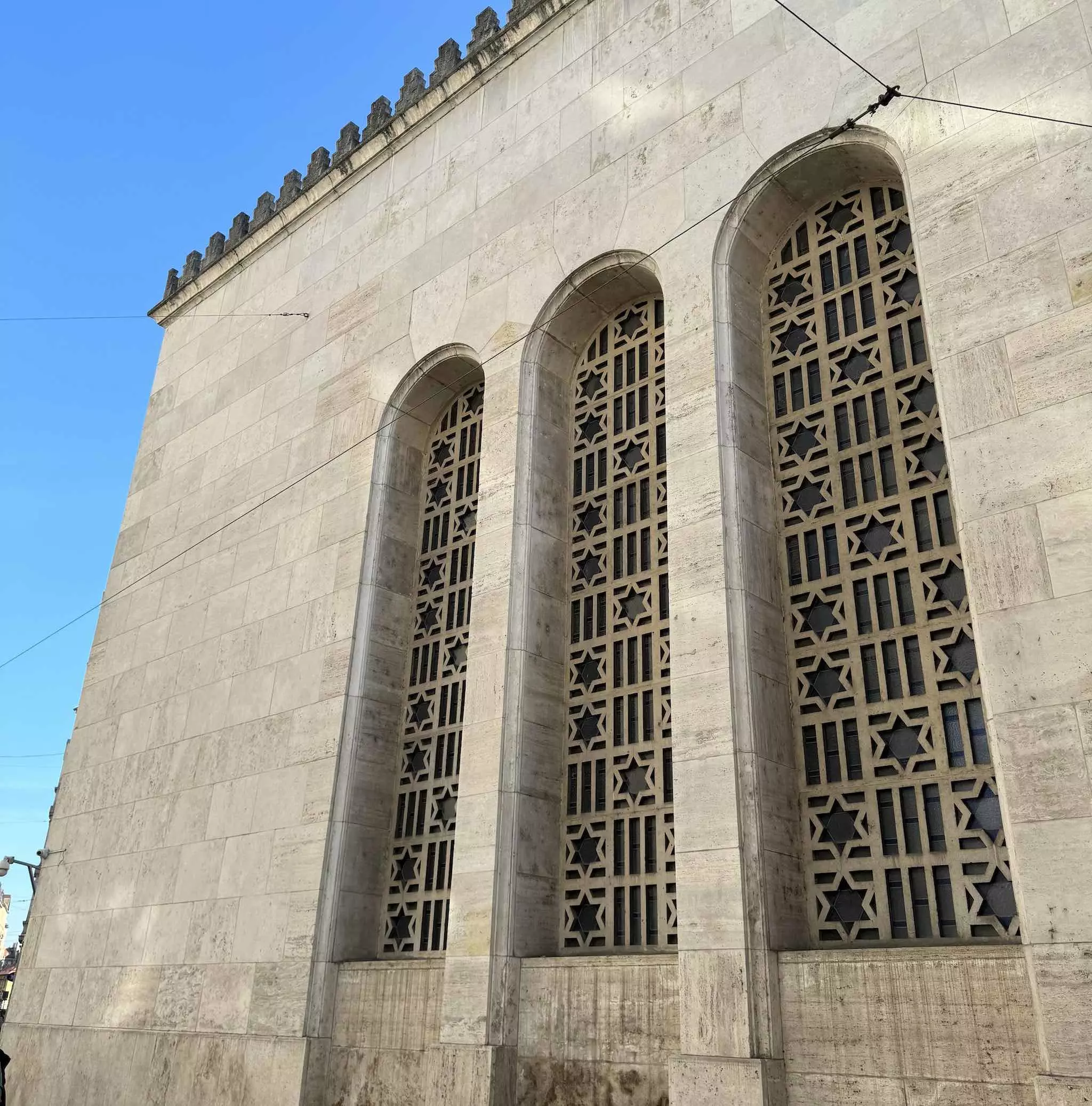
This structure, located adjacent to the main synagogue building, serves as a memorial for Jewish soldiers who died during World War I.
Observe the arched entrance and the transition from the exterior facade.
Everything you need to know about budapest jewish quarter walking tour map
You can find a comprehensive budapest jewish quarter walking tour map on our official site to help navigate the district's historical landmarks. This resource connects you to the complex history of the Great Synagogue and surrounding memorial sites.
While not strictly required for entry, a budapest jewish quarter walking tour map provides essential context for the area's rich heritage. It helps visitors locate the Raoul Wallenberg Memorial Park and other significant points of interest within the neighborhood.
The entrance fee is 14,500 HUF, which is an all-in-one ticket including the guided tour, museum, and memorial park. This ensures full access to the complex and its exhibitions.
To get the most out of your experience, use a budapest jewish quarter walking tour map to sequence your visit logically between the synagogue complex and local Jewish heritage sites. Planning your route helps you manage the security process and transit between nearby monuments efficiently.
We recommend arriving between 10:00 and 14:00 to avoid the largest midday crowds, regardless of whether you are following a budapest jewish quarter walking tour map. Arriving within this window allows for a smoother security check and a more relaxed pace for your tour.
The synagogue is closed on Saturdays in accordance with religious observance. Please plan your visit to the Jewish Quarter for any other day of the week to ensure access.
Budapest Jewish Heritage Guided Tour with Synagogue Ticket
Read more Tickets & toursJewish Heritage Tour with Synagogue Ticket
Read more GuideFree Jewish Walking Tour Guide
Read more GuideIs the Jewish Quarter in Budapest Safe?
Read more GuideJewish Sites in Budapest
Read more Tickets & toursBudapest Jewish Quarter Walking Tour
Read more