4 hr
Jewish Heritage Walking Tour with Synagogue & Museum Access
Trace centuries of Jewish life through Budapest's historic quarter, grand synagogues, and moving memorials
Reserve
Europe's largest synagogue, a museum of memory, guided at the source.
Hand-picked by our editors — only the best 4 experiences from 17 reviewed.
Verified partners for Budapest Jewish Walking tours, free cancellation where available, and instant confirmation on every booking.
4 hr
Trace centuries of Jewish life through Budapest's historic quarter, grand synagogues, and moving memorials
Reserve
4 hr
Explore Budapest's Jewish Quarter, historic synagogues, and Holocaust memorials on this comprehensive 4-hour guided walk
Reserve
1 hr 30 min
Explore Budapest's Jewish Quarter through layered history, street art, and everyday spaces.
ReservePrices from verified partners. Availability updates in real time at checkout. Free cancellation policies apply where shown.
The landmarks, rooms, and views travelers on Budapest Jewish Walking tours remember — all visible on a single visit.
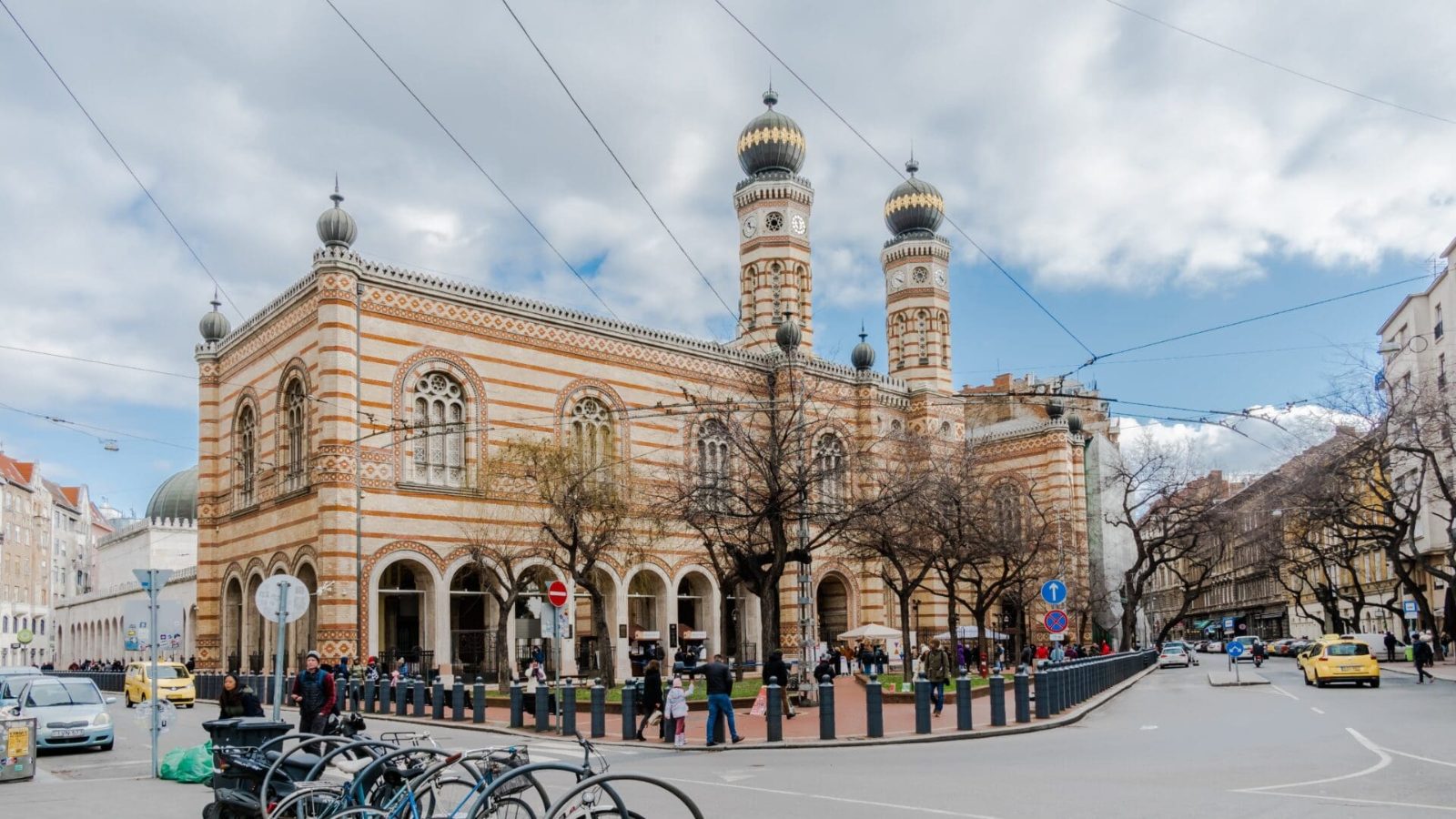
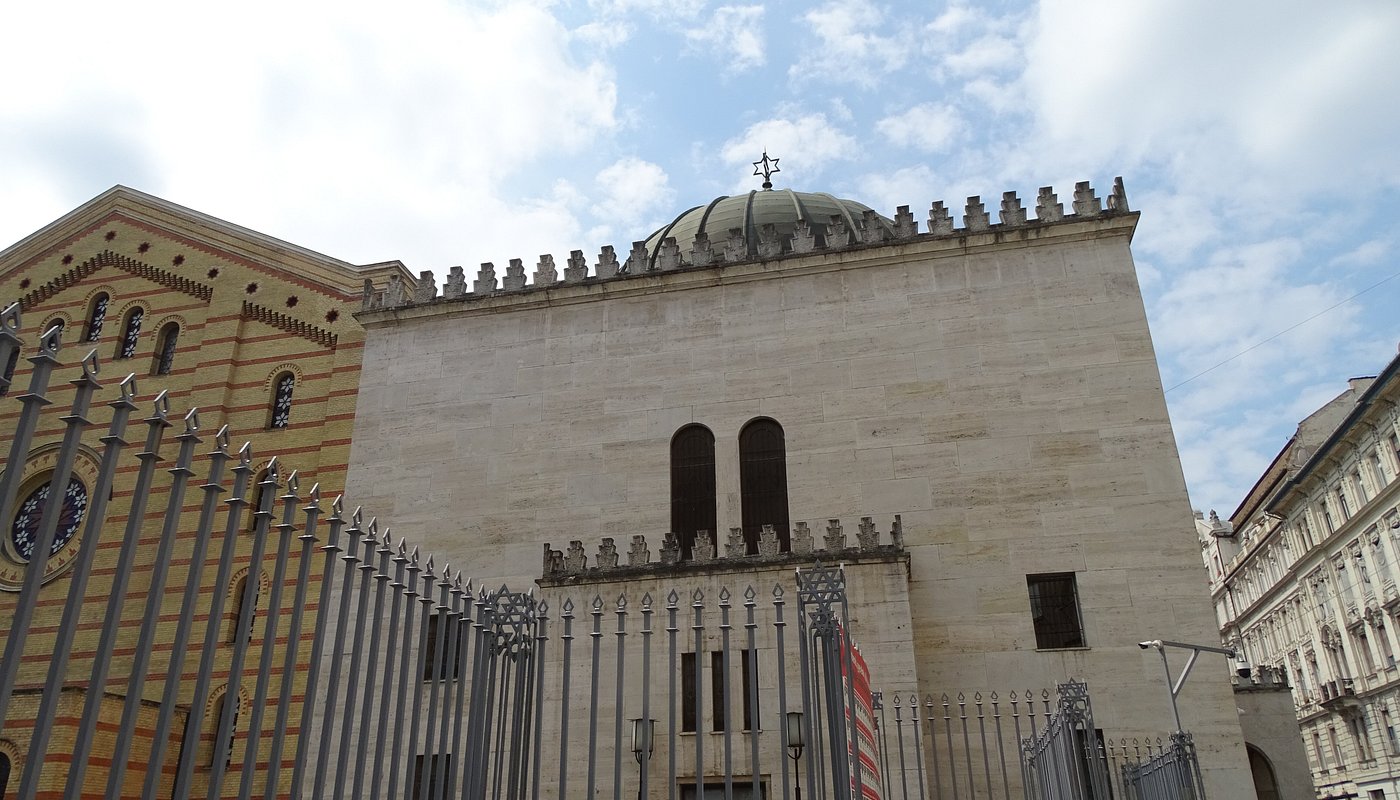
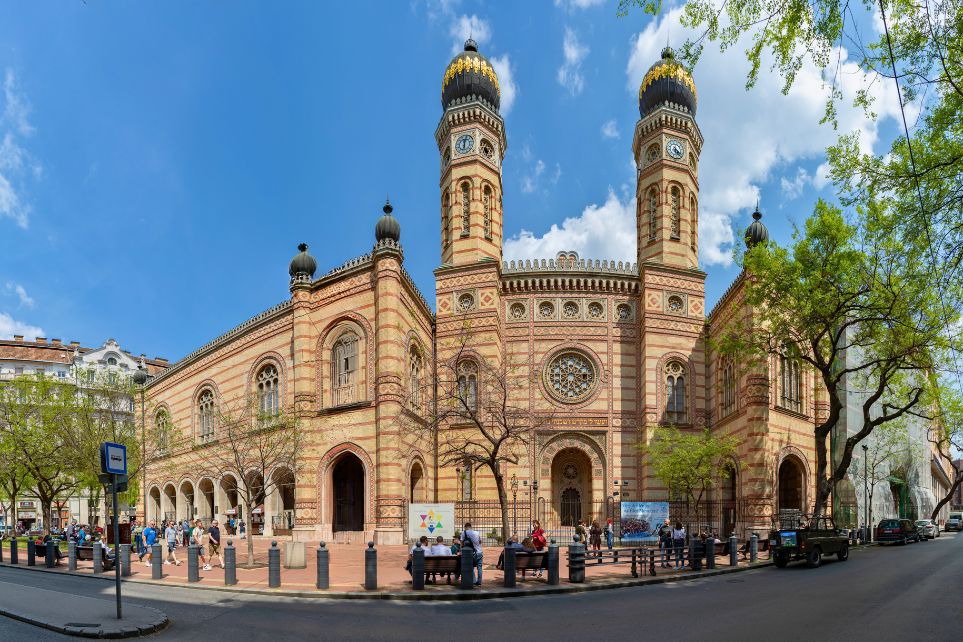
Largest synagogue in Europe with a 3,000-person capacity.
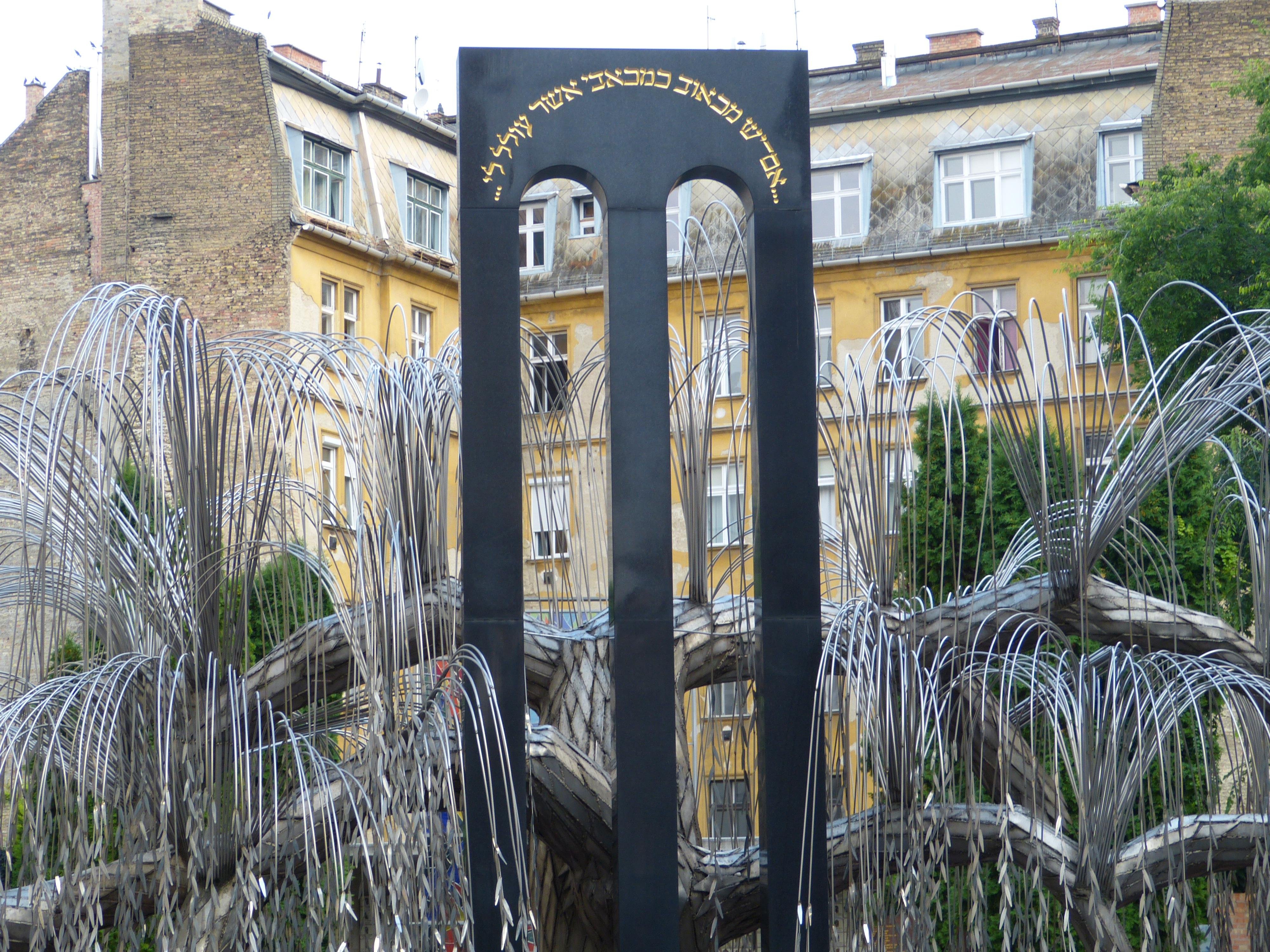
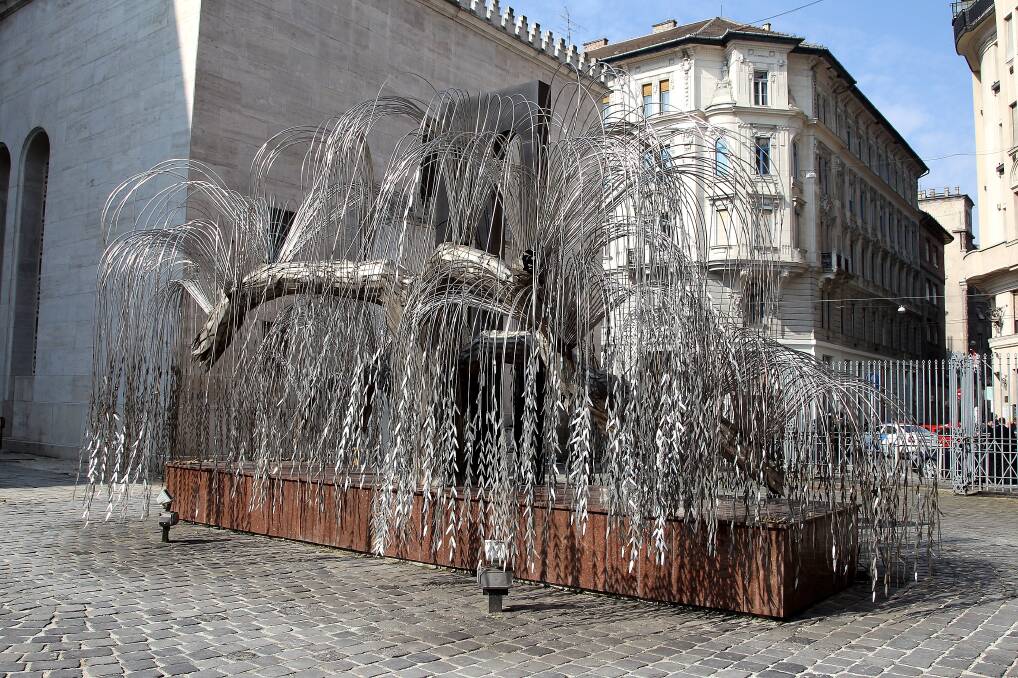
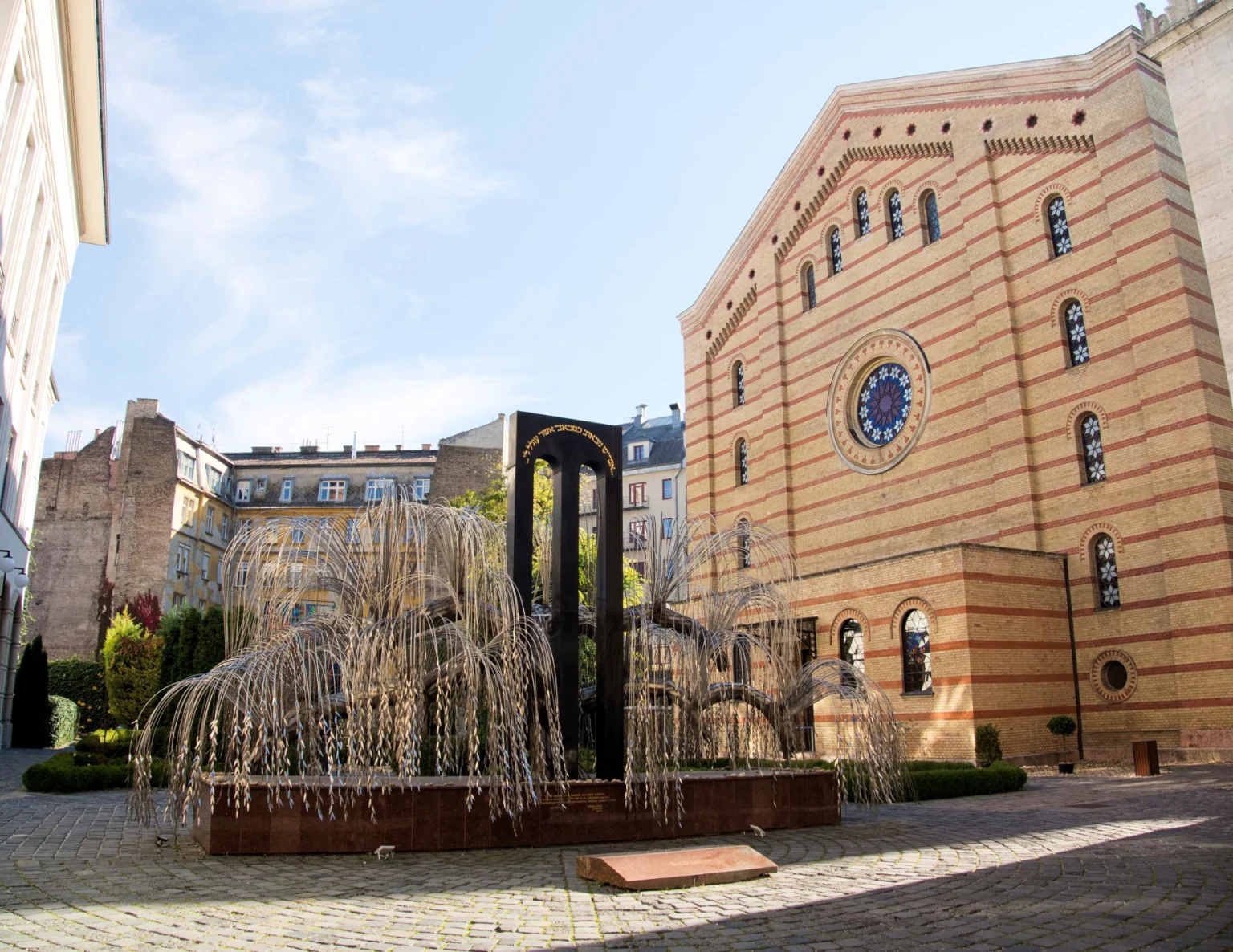
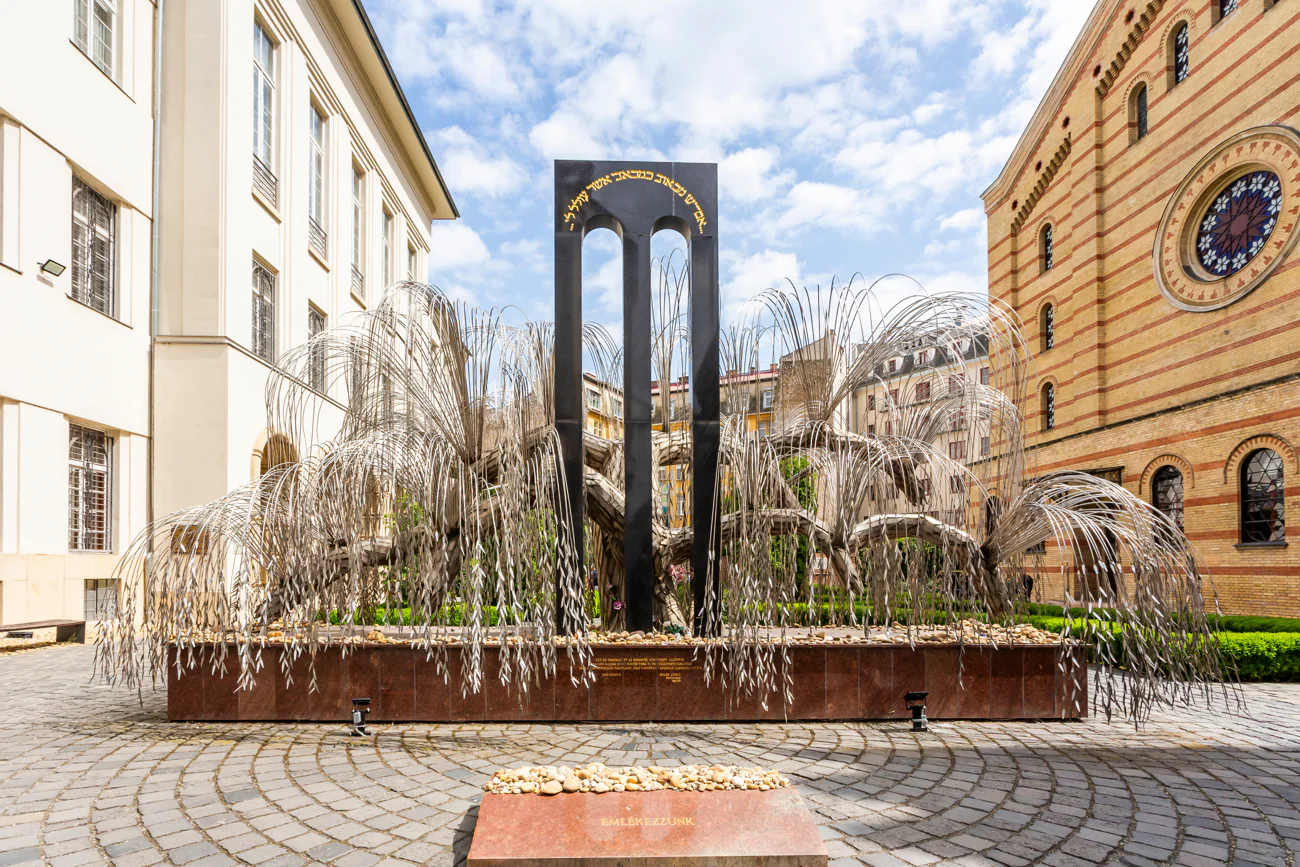
A moving Holocaust memorial featuring metallic leaves engraved with names.
Houses significant artifacts and records of Jewish heritage in Hungary.
A memorial sanctuary dedicated to those who perished in World War I.
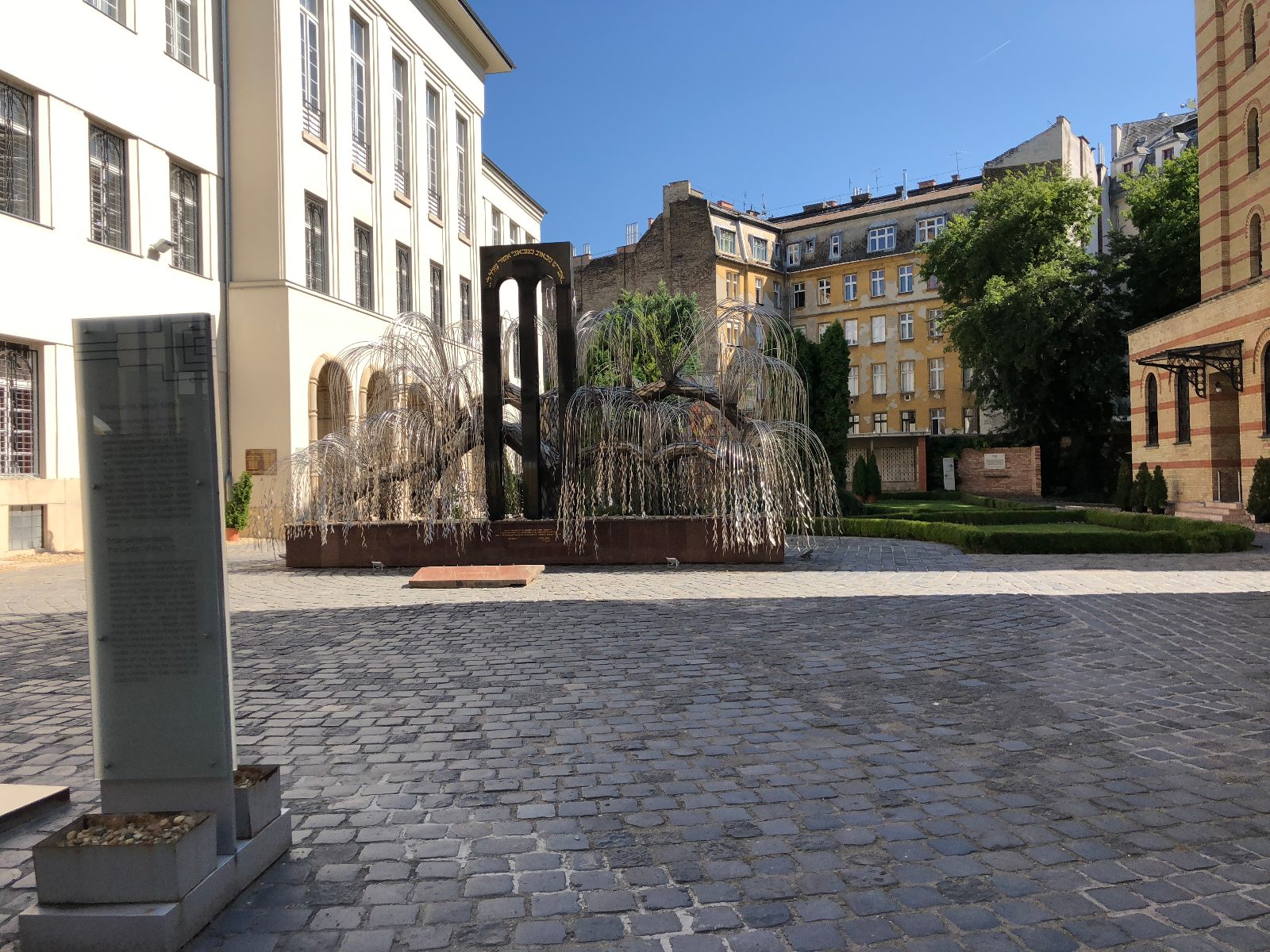
Located behind the synagogue, this park honors the Swedish diplomat.
Every Budapest Jewish Walking tour side-by-side — duration, what's included, how you redeem.
| Experience | Duration | Rating | Skip-the-line | Guide | Small group | Free cancel. | Price | |
|---|---|---|---|---|---|---|---|---|
|
Guided Experience Most popular
Jewish Heritage Walking Tour with Synagogue & Museum Access
|
4 hr | ★ 4.8 | ✓ | ✓ | ✓ | ✓ | €69 | Book → |
|
Guided Experience
Grand Jewish Heritage Half-Day Walking Tour
|
4 hr | ★ 4.8 | ✓ | ✓ | ✓ | ✓ | €99 | Book → |
|
Guided Experience
Jewish District Walking Tour: Heritage & Modern Life
|
1 hr 30 min | ★ 4.8 | ✓ | ✓ | ✓ | ✓ | €2 | Book → |
All prices from verified partners. Availability and exact terms confirmed at checkout.
The Dohány Street complex serves as an expansive, monumental landmark, while the nearby Rumbach Street Synagogue offers a refined, intimate interior experience that complements any budapest jewish walking tour. Visitors typically choose the former for its sheer scale and the latter for its detailed restoration and quieter reflective setting.
| Feature | Top pick Dohány Street | Rumbach Street |
|---|---|---|
Architectural Style |
Moorish Revival | Moorish Revival with octagonal plan |
Capacity |
Approximately 3,000 people | Approximately 200 people |
Atmosphere |
Grand and bustling | Intimate and serene |
Primary Focus |
Communal history and monumental scale | Restoration and spiritual reflection |
Guided Tour Availability |
Mandatory guided group access | Available upon request |
Booking |
Requires budapest jewish walking tour tickets | Pre-booked entry suggested |
| See tickets → |
Verdict: Choose the Dohány Street Synagogue to appreciate the grand scale of city landmarks, or opt for the Rumbach Street Synagogue for a more focused, peaceful budapest jewish walking tour tour experience.
Choose your ticket, select your date, and reserve in under two minutes. Secure checkout handled by our verified partner.
Instant confirmation by email, with a mobile voucher you can save offline. No printing, no queuing at a collection desk.
Arrive at the entrance, show your voucher on your phone, and walk in. Most tickets include priority or skip-the-line access.
Best time to go, insider tips, nearby landmarks, and the cancellation fine print — flip through to skim what matters to you.
How crowds, weather, and events shift across the year.
Mild temperatures and thinner crowds make this ideal for walking tours.
Peak tourist season; arrive early at 10:00 to beat the heat and afternoon queues.
Comfortable weather for exploring the Jewish Quarter and nearby landmarks.
Quieter period; note the earlier closing times and prepare for colder indoor temperatures.
Small details that turn a good visit into a great one.
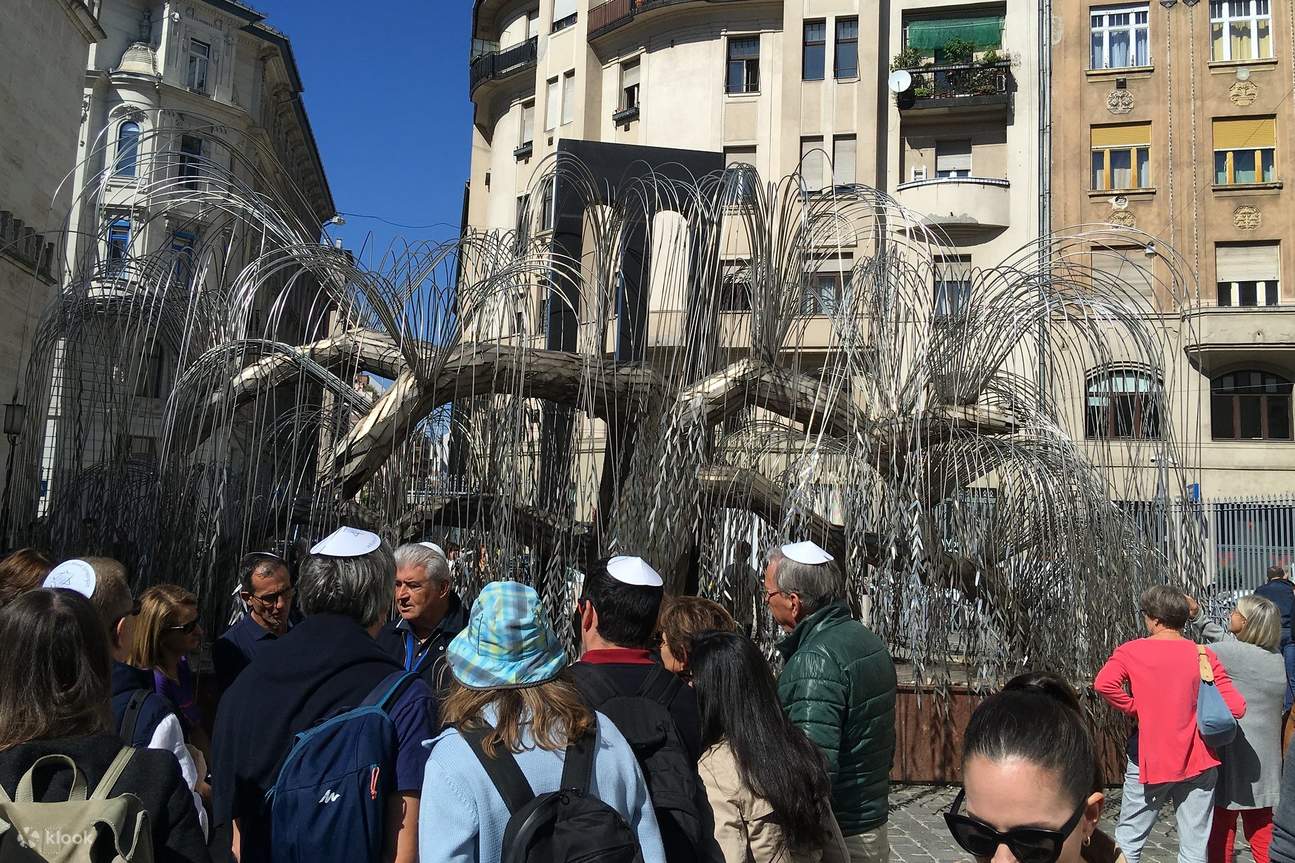
Men are required to wear a kippah inside; one is provided at the entrance.
Non-bookable sights within a short walk — free to visit, easy to pair.
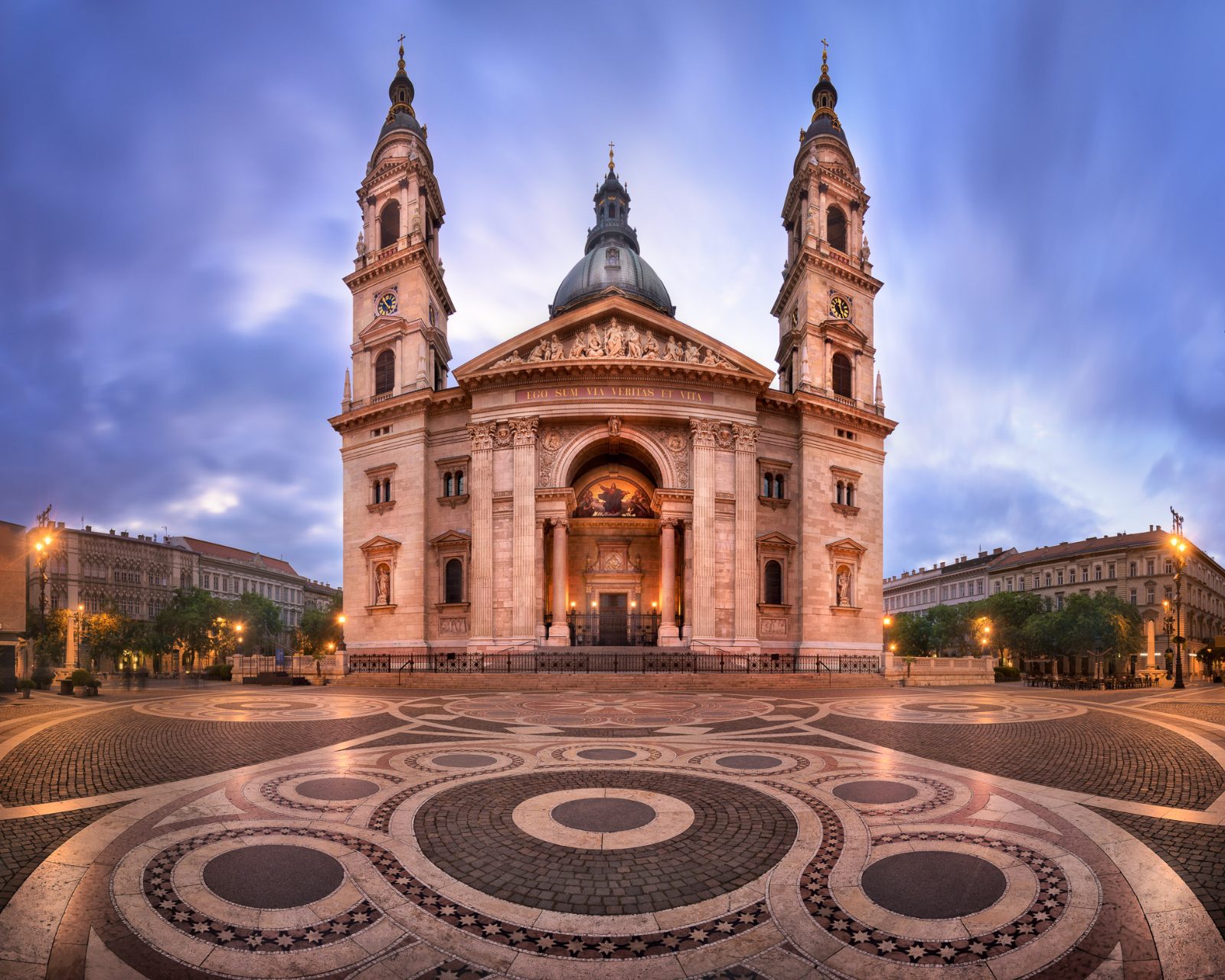
A majestic neoclassical cathedral known for its panoramic dome view.
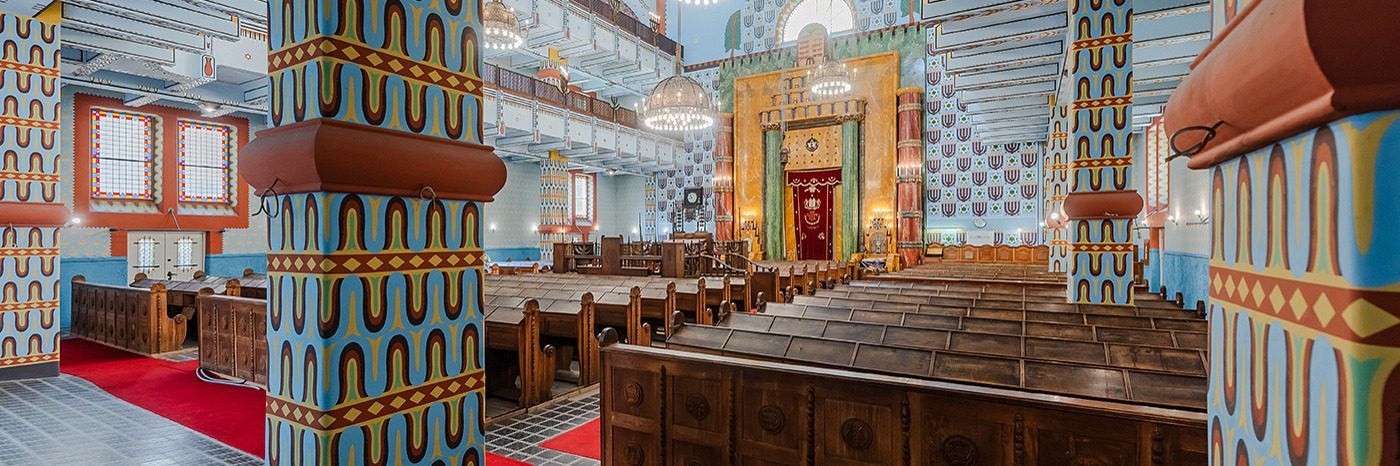
An impressive Art Nouveau synagogue located in the heart of the district.
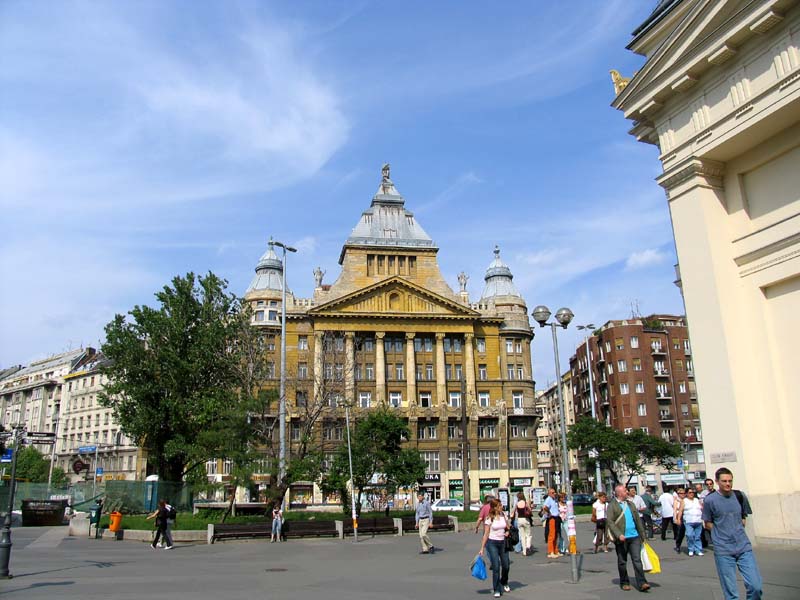
A major transportation hub and vibrant public square in central Budapest.
The historic district surrounding the synagogue, famous for ruin bars.
Flexible, no hidden fees.
Tickets are typically non-refundable once purchased. Please check the official portal for specific terms regarding the 14,500 HUF conservation fee.
Hand-picked options within walking distance — pick a district for vibe, or a specific hotel for convenience.
Historic hotel located near the metro station.
Stylish local apartments in the historic district.
The Dohány Street Synagogue opened in 1859 to seat three thousand worshippers, making it the largest synagogue in Europe and the second largest in the world after the Emanu-El in New York.
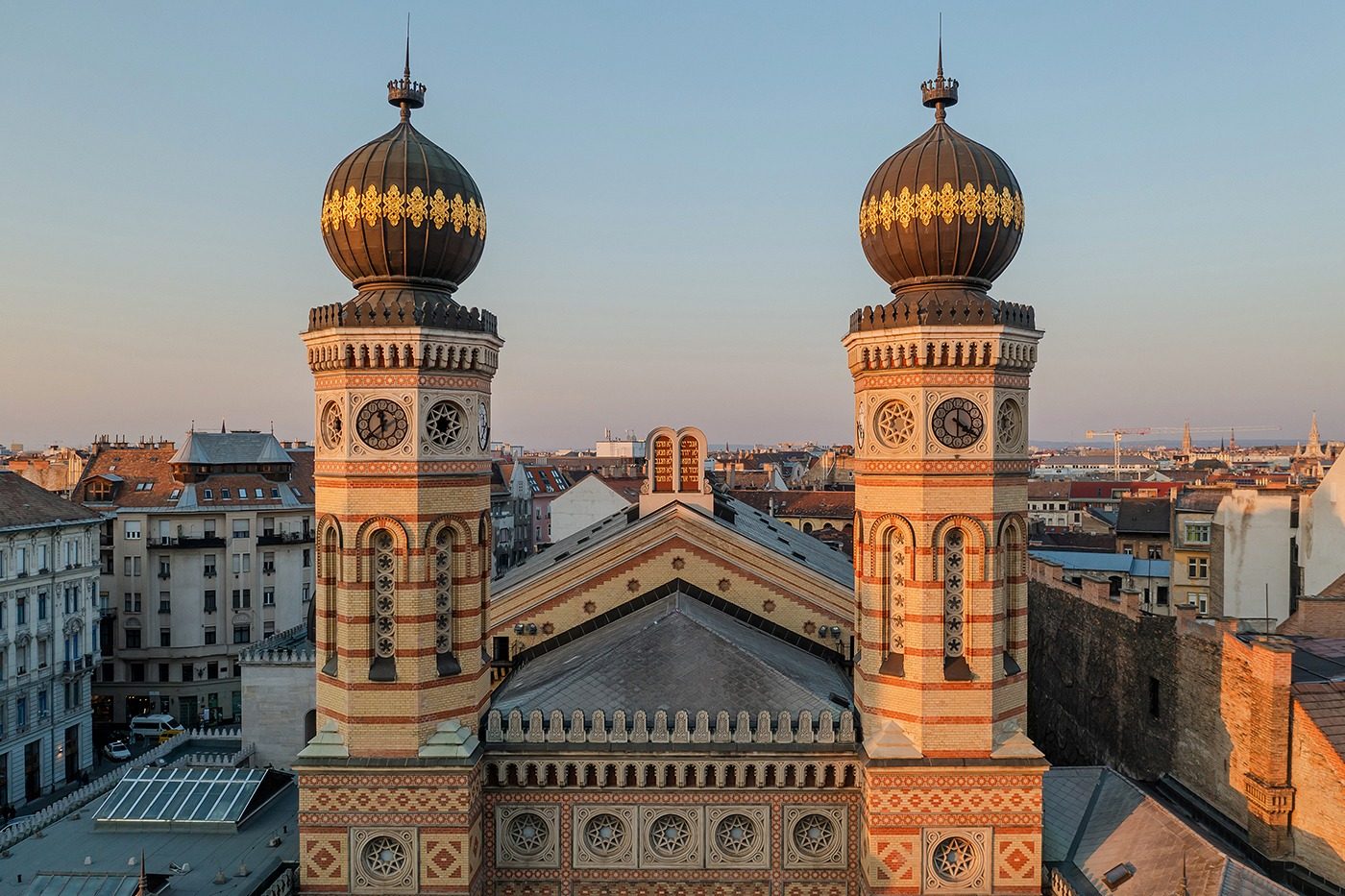
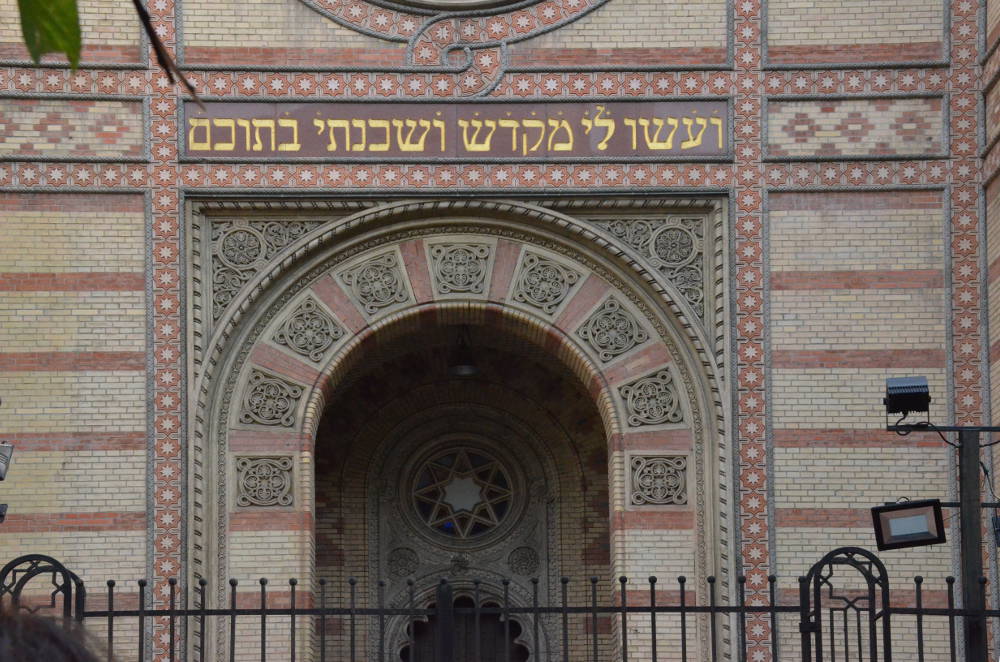
Architect Ludwig Förster drew from Moorish Revival forms — onion domes, geometric brickwork, and twin octagonal towers rising 43 metres — that blended Ottoman and Byzantine motifs with the urban fabric of Pest. The building stood at the boundary of the Jewish quarter, a neighbourhood that grew from a few streets in the 1780s into a dense residential and commercial district housing nearly twenty percent of Budapest's population by the early twentieth century.
The synagogue served as a barracks and stable during the Second World War, and its courtyard became a mass grave for more than two thousand Jews who perished in the Budapest ghetto. Today the Raoul Wallenberg Memorial Park, named for the Swedish diplomat who issued protective passports to tens of thousands, occupies that ground behind the main sanctuary. Imre Varga's Weeping Willow sculpture, erected in 1991, bears the names of Hungarian Holocaust victims on metal leaves that tremble in the wind. The museum adjacent to the synagogue holds Torah scrolls, Hanukkah lamps, and textiles spanning four centuries of Hungarian Jewish life, alongside documentation of the deportations that emptied the quarter in 1944.
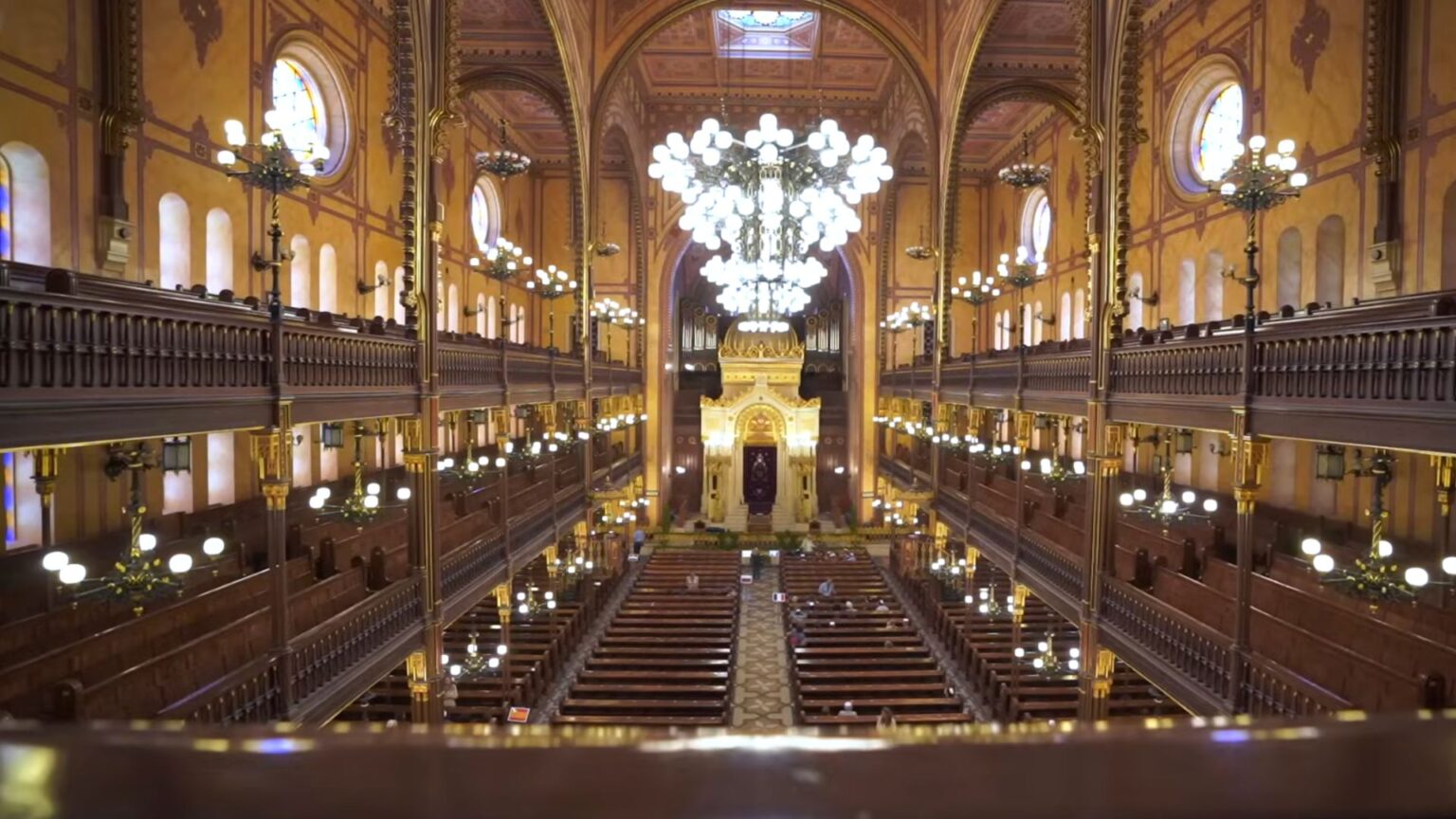
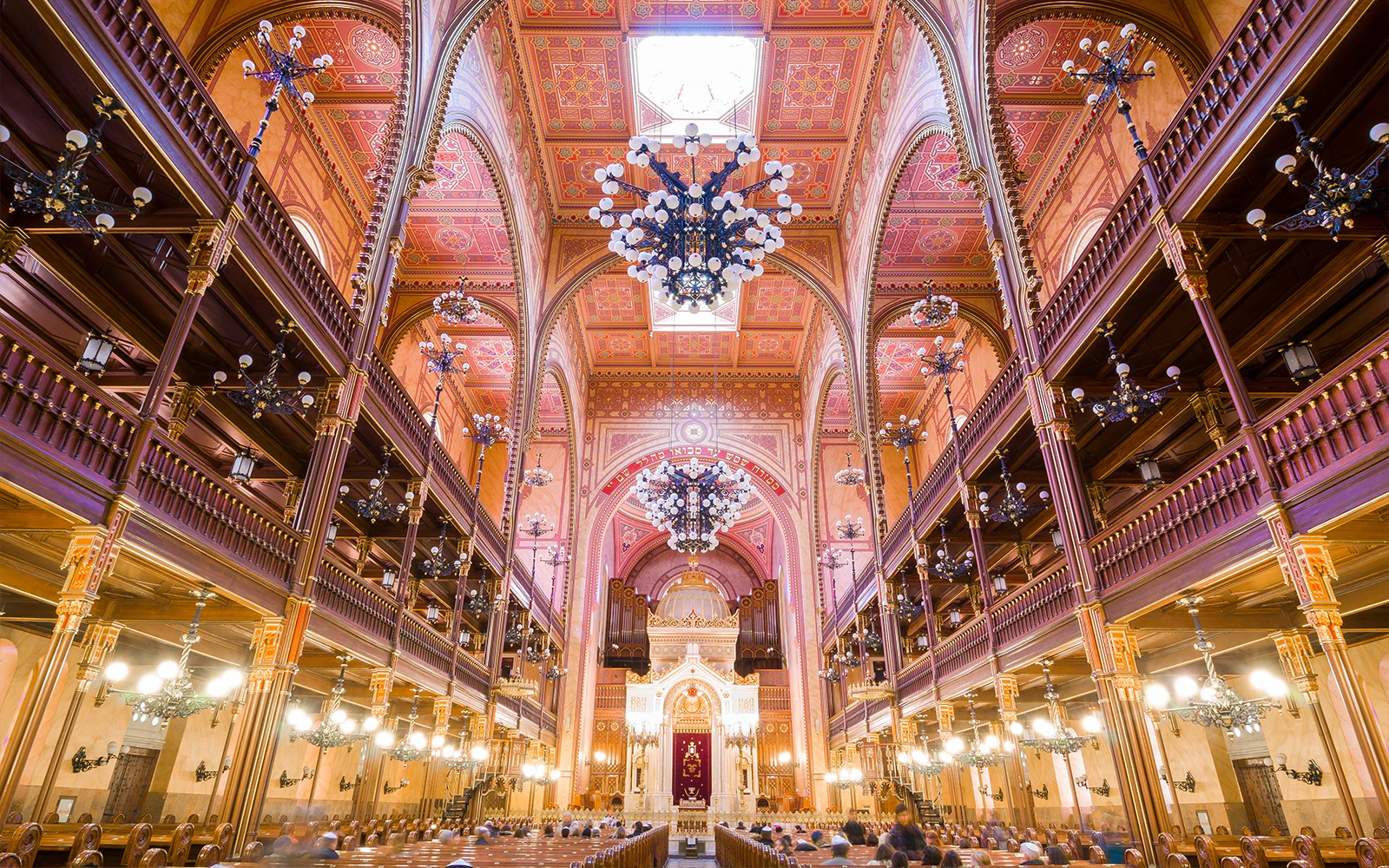
A budapest jewish heritage tour typically moves from the sanctuary's central nave, where the organ and bimah occupy opposite ends under a vaulted ceiling painted in ochre and cobalt, to the museum's six galleries and finally to the memorial garden. The complex includes the Jewish Museum and Archives of Hungary, established in 1931, which relocated to this site after the war. The Dohány Street structure remains an active place of worship for the Neolog congregation, a Reform-leaning movement that emerged in nineteenth-century Hungary and allowed mixed seating and organ accompaniment. The guided budapest jewish heritage walking tour introduces visitors to the architectural language of the building, the historical context of the quarter's expansion and destruction, and the memorial practices that have shaped the site since 1945. Conservation work completed in phases between 1991 and 1996 restored the facade's polychrome brickwork and the interior's original colour scheme, reversing decades of neglect and wartime damage.
The synagogue's location at the corner of Dohány and Wesselényi streets places it within walking distance of smaller prayer houses, kosher bakeries, and the remnants of the ghetto wall. A budapest jewish quarter walking tour often extends beyond the synagogue itself to include the Kazinczy Street Synagogue, the Rumbach Street Synagogue, and the courtyards where residential life persisted even through occupation. The district's density and proximity to the Danube made it both a centre of culture and a site of confinement when the ghetto was sealed in November 1944.

"The Weeping Willow bears the names of Hungarian Holocaust victims on metal leaves that tremble in the wind."
Yes, you can take photos during your budapest jewish walking tour, provided you do not use flash.
Yes, families are welcome on a budapest jewish walking tour, provided they observe the quiet atmosphere.
Yes, you must cover your shoulders and knees, and men must wear a head covering inside the Dohány Street Synagogue.