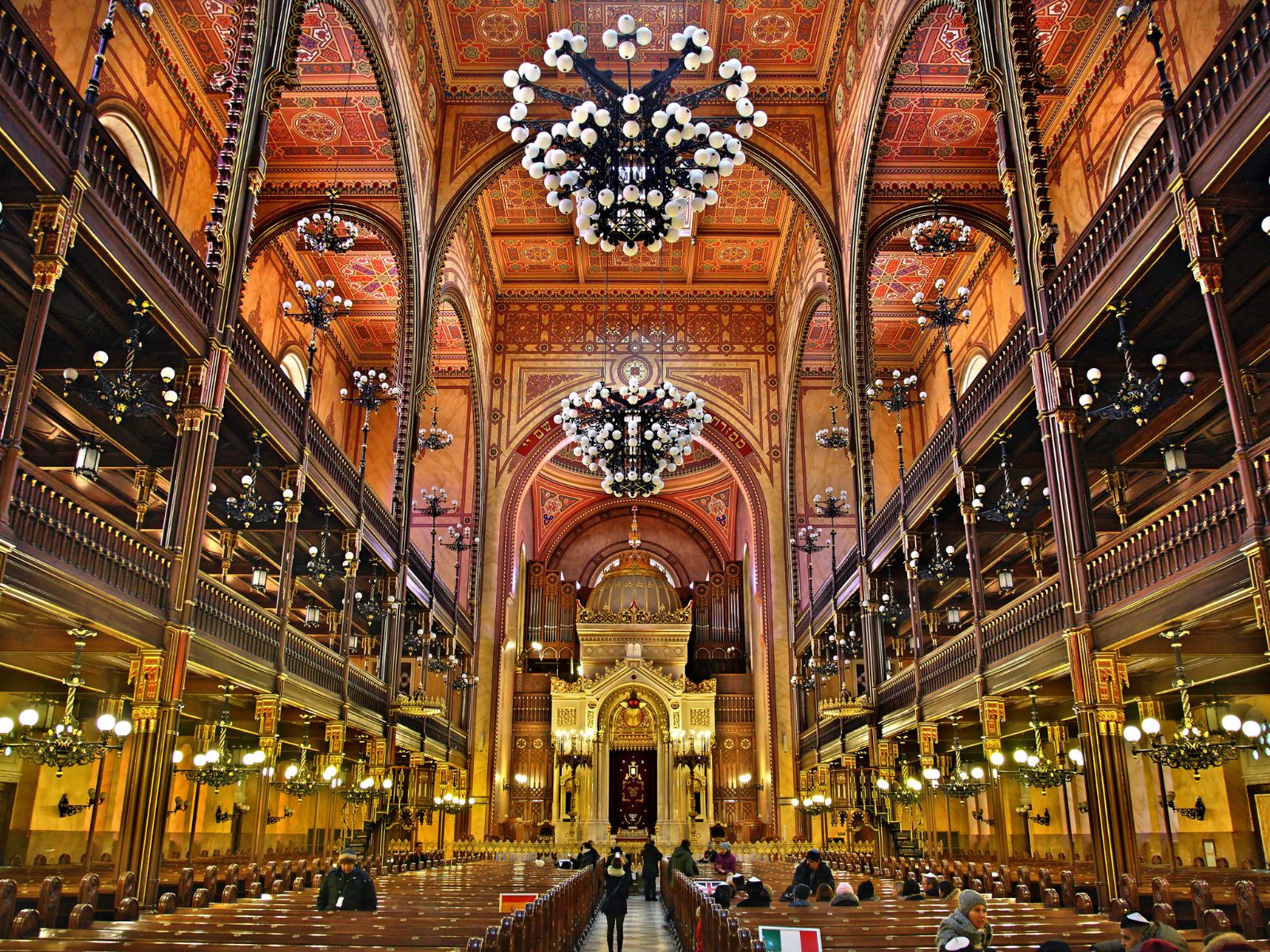
Dohány Street Synagogue
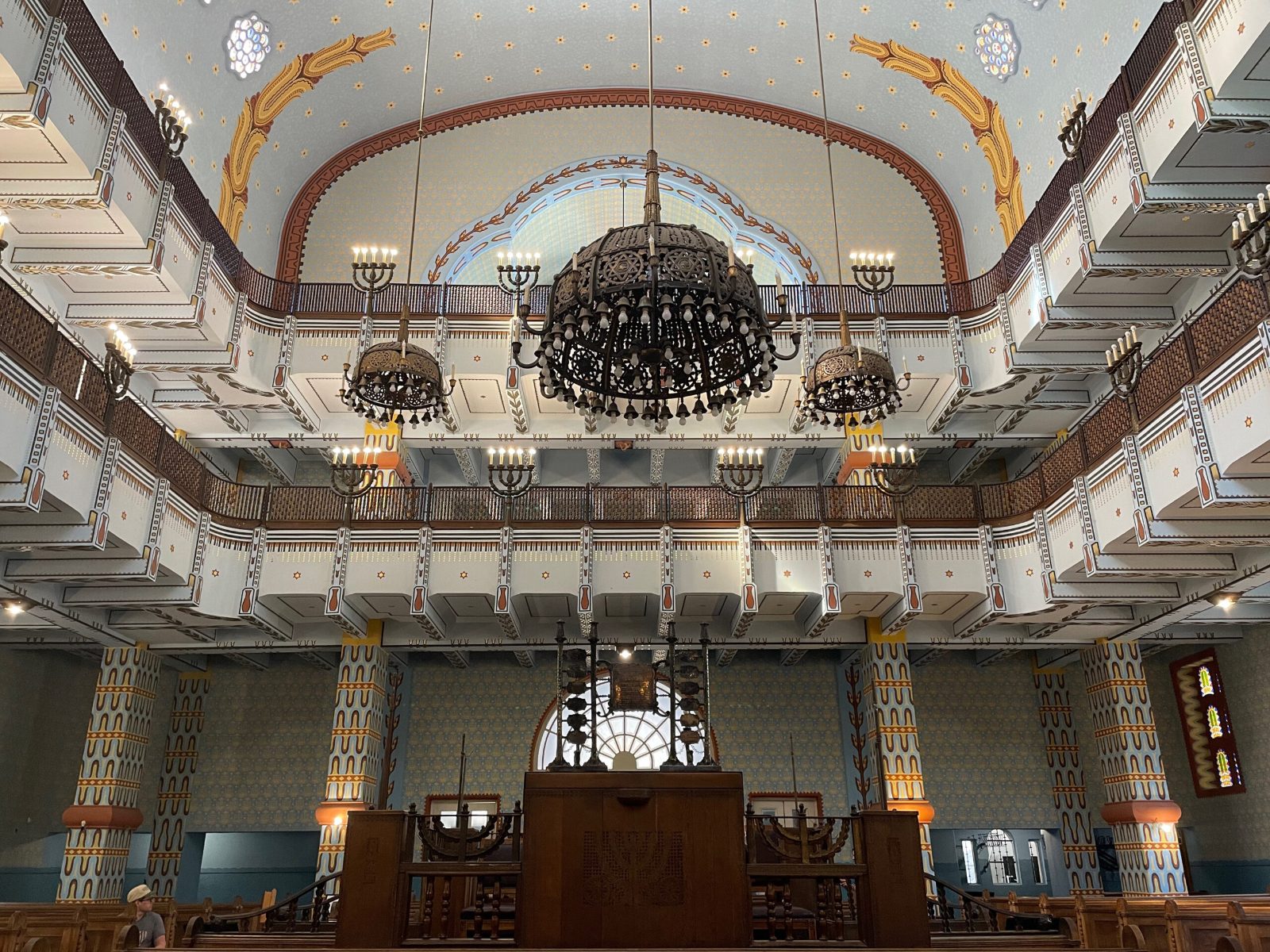
This Moorish Revival structure is the largest synagogue in Europe and features intricate interior woodwork and stained glass.
Look up at the ceiling to view the ornate geometric patterns.

The Dohány Street Synagogue anchors Budapest's Jewish Quarter and serves as the gateway to understanding the city's Jewish heritage. This page covers the practical details: when the complex is open, what your ticket includes, and how to plan a visit that gives you enough time to see the synagogue, museum, cemetery, and memorial garden without rushing.
Quick answer
The Dohány Street Synagogue is open Monday to Thursday and Sunday from 10:00 to 20:00, Friday from 10:00 to 16:00, and closed Saturday. Entrance costs 14,500 HUF and includes access to the synagogue interior, the Hungarian Jewish Museum, the historic cemetery, and the Raoul Wallenberg Memorial Garden. Arrive between 10:00 and 18:00 to avoid mid-day queues and allow sufficient time to explore the full complex before closing.
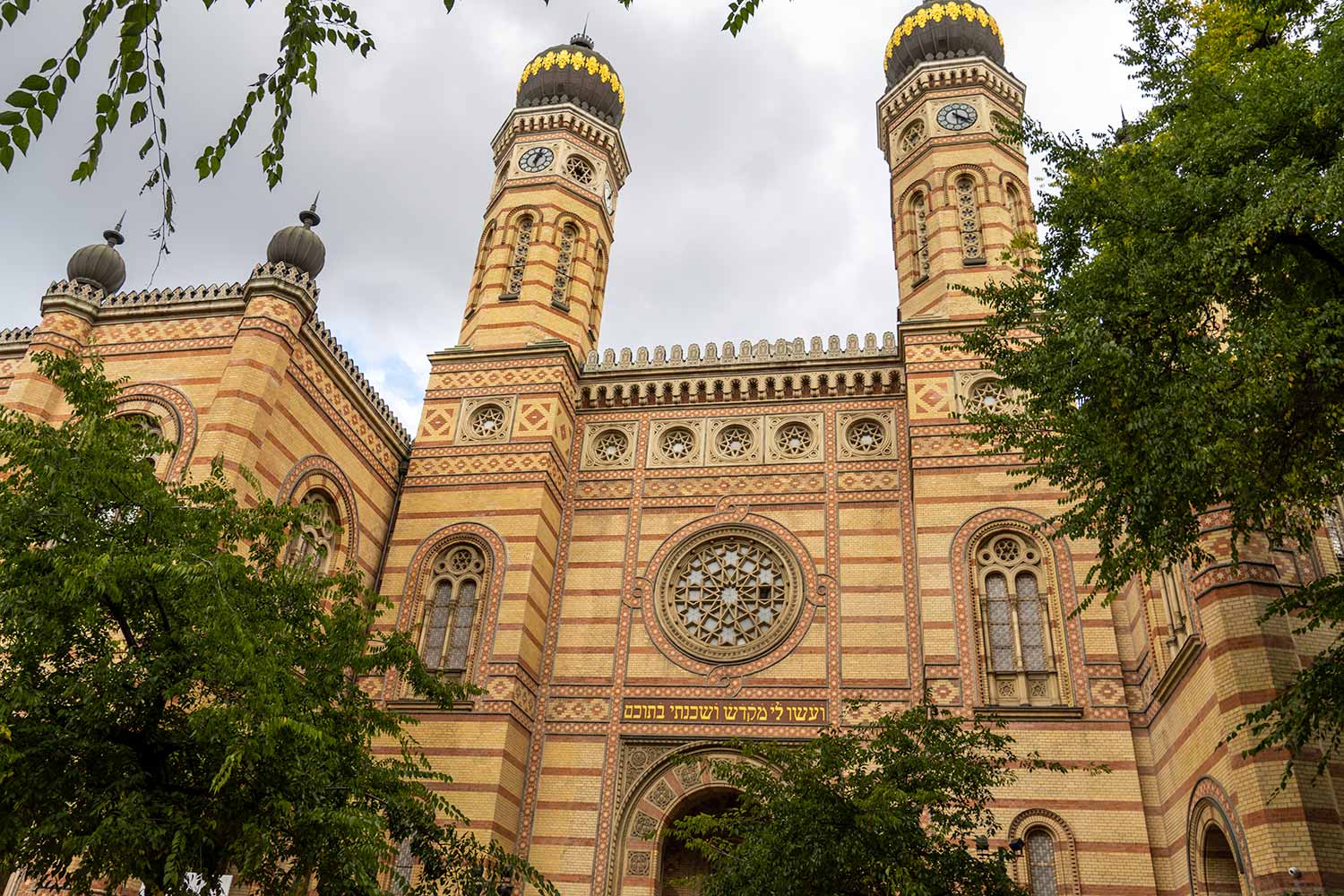
The Dohány Street Synagogue holds the title of the largest synagogue in Europe and the second largest in the world, with seating for 3,000 worshippers across its nave and galleries. Built between 1854 and 1859 in Moorish Revival style, the building blends Byzantine and Islamic architectural motifs with a layout that mirrors Christian basilicas, reflecting the progressive Reform Judaism of mid-19th-century Pest. The twin onion-domed towers and the polychrome brick façade make it one of the most recognizable landmarks among jewish sites in budapest. Your ticket grants access to four distinct areas within the walled complex. The synagogue interior features an organ that Franz Liszt and Camille Saint-Saëns both played at its inauguration, and the rose window above the Torah ark remains one of the few original stained-glass elements to survive wartime damage. The adjoining Hungarian Jewish Museum chronicles rural and urban Jewish life from the 18th century through the Holocaust, with ritual objects, Torah scrolls, and documents tracing the community's integration into Hungarian society. The cemetery behind the synagogue dates to the 1944–1945 siege of Budapest, when Orthodox burial law was suspended and thousands were interred within the ghetto walls. The Raoul Wallenberg Memorial Garden, designed by Imre Varga, centers on a steel weeping willow whose leaves bear the names of Hungarian Holocaust victims. The complex sits at the edge of the historic Jewish Quarter, today bounded by Károly körút, Dohány utca, Király utca, and Erzsébet körút. The neighborhood's density of remaining synagogues, courtyards, and kosher establishments makes it the practical starting point for any exploration of Jewish heritage in the city. The Friday closing time reflects Shabbat observance, and the Saturday closure is absolute. Plan at least 90 minutes for a thorough visit if you intend to read museum labels and walk the cemetery. The synagogue serves as both a house of worship and a monument to resilience. The building was damaged during the 1944–1945 siege and used as a stable and radio base by fascist forces, then restored in phases through the 1990s with state and diaspora funding. Theodor Herzl, founder of modern political Zionism, was born in a house adjoining the synagogue complex in 1860, and a small memorial marks the site. The structure's scale and its hybrid architectural identity reflect the optimism of Hungarian Jewry in the decades before the First World War, when the community was among the most assimilated and urbanized in Europe.
“The building blends Byzantine and Islamic motifs with a layout that mirrors Christian basilicas, reflecting the progressive Reform Judaism of mid-19th-century Pest.”
The Dohány Street Synagogue is open daily for visitors, with the exception of the Sabbath.
To ensure a comprehensive experience of the Dohány Street Synagogue, the best arrival window is 10:00–18:00. Arriving within this timeframe helps avoid mid-day queues and allows sufficient time to explore the full complex before closing.
—
Visiting Tuesday through Thursday mornings provides the quietest atmosphere for viewing the complex.
Mild temperatures (15°C–22°C)
Moderate visitor numbers make these seasons ideal for comfortable exploration of the memorial garden.
Hot, sunny days (25°C+)
Expect higher foot traffic during July and August, necessitating an early arrival to secure your entry.
Cold, often grey (0°C–5°C)
Low tourist volume offers a reflective environment, though outdoor areas may be less comfortable to traverse.
Verdict: The best time to visit is Tuesday to Thursday, arriving at the 10:00 opening during the months of April or October.
The Dohány Street Synagogue is located at 1074 Budapest, Dohány u. 2, situated in the heart of the historic Jewish Quarter. The central location makes it highly accessible via the city's extensive public transit network.
Line M2 to Astoria station
Line 7 or 7E to Astoria
Line 47 or 49 to Astoria
From Deák Ferenc tér
Alighting at the Astoria transport hub provides the shortest walking distance to the complex. Please follow the instructions on our booking page to secure your spot for a guided walking tour of the area.
The Dohány Street Synagogue complex serves as a center for Jewish history and culture in Budapest. Visitors can explore architectural, historical, and memorial sites that document the legacy of the community.
This Moorish Revival structure is the largest synagogue in Europe and features intricate interior woodwork and stained glass.
Look up at the ceiling to view the ornate geometric patterns.
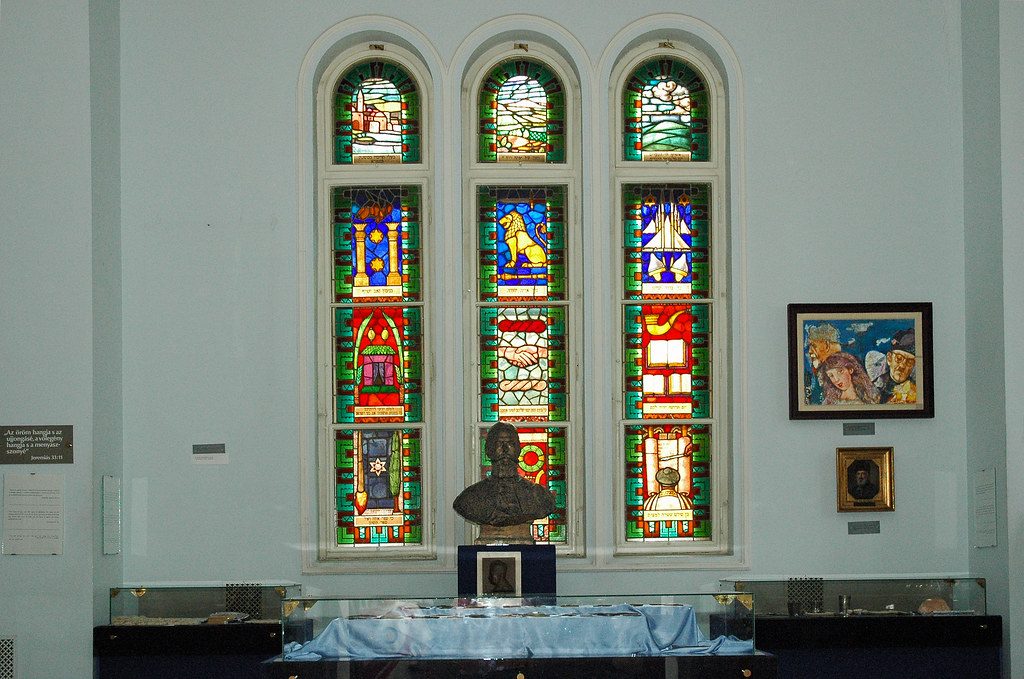
Located in the building adjacent to the synagogue, this museum houses a collection of religious artifacts and historical documents.
Focus on the silver ceremonial objects in the main display.
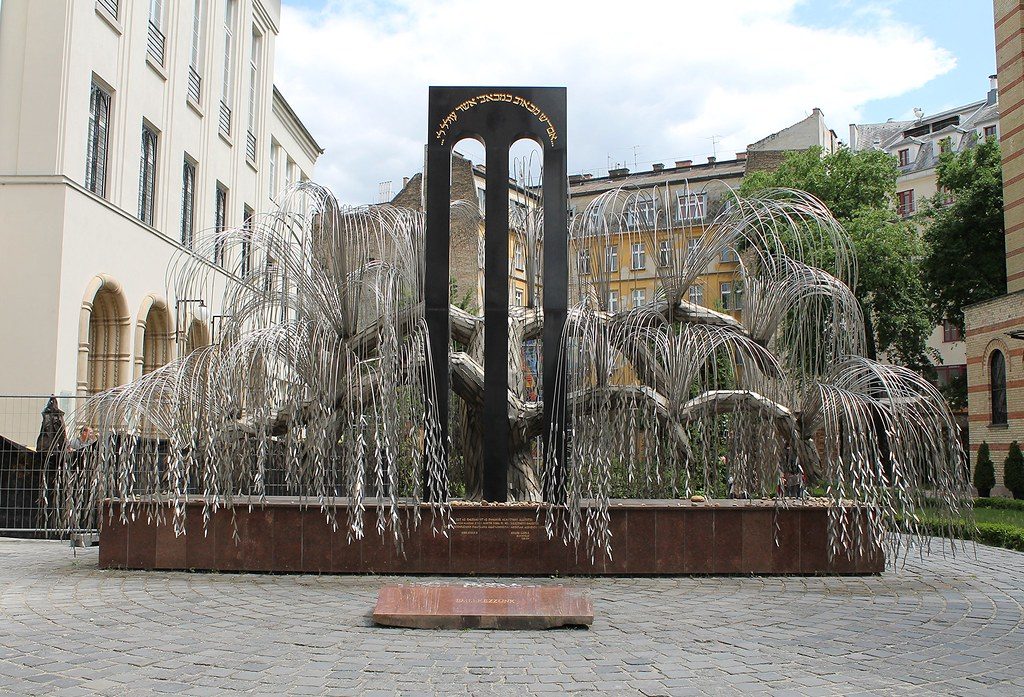
This space honors the Swedish diplomat who saved thousands of Jews during the Holocaust.
Locate the Tree of Life metal sculpture in the center.
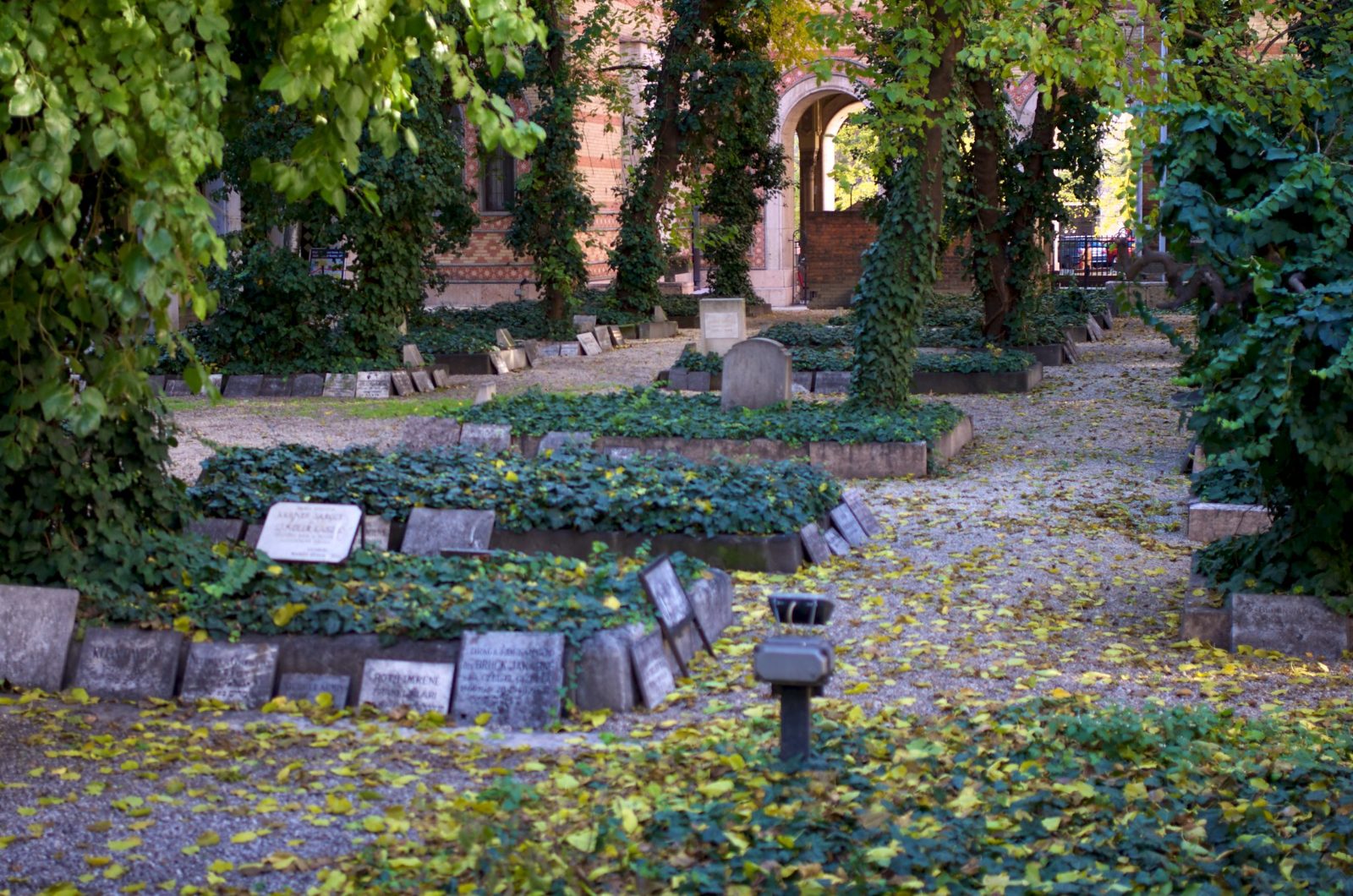
The cemetery sits within the complex, serving as a burial site for those who died in the Budapest Ghetto.
Observe the contrast between the historic headstones and the urban setting.
The Dohány Street Synagogue sits at the heart of the historic Jewish Quarter, placing several significant landmarks within a short walking distance. These sites provide deeper context to the history and cultural heritage explored during your visit.
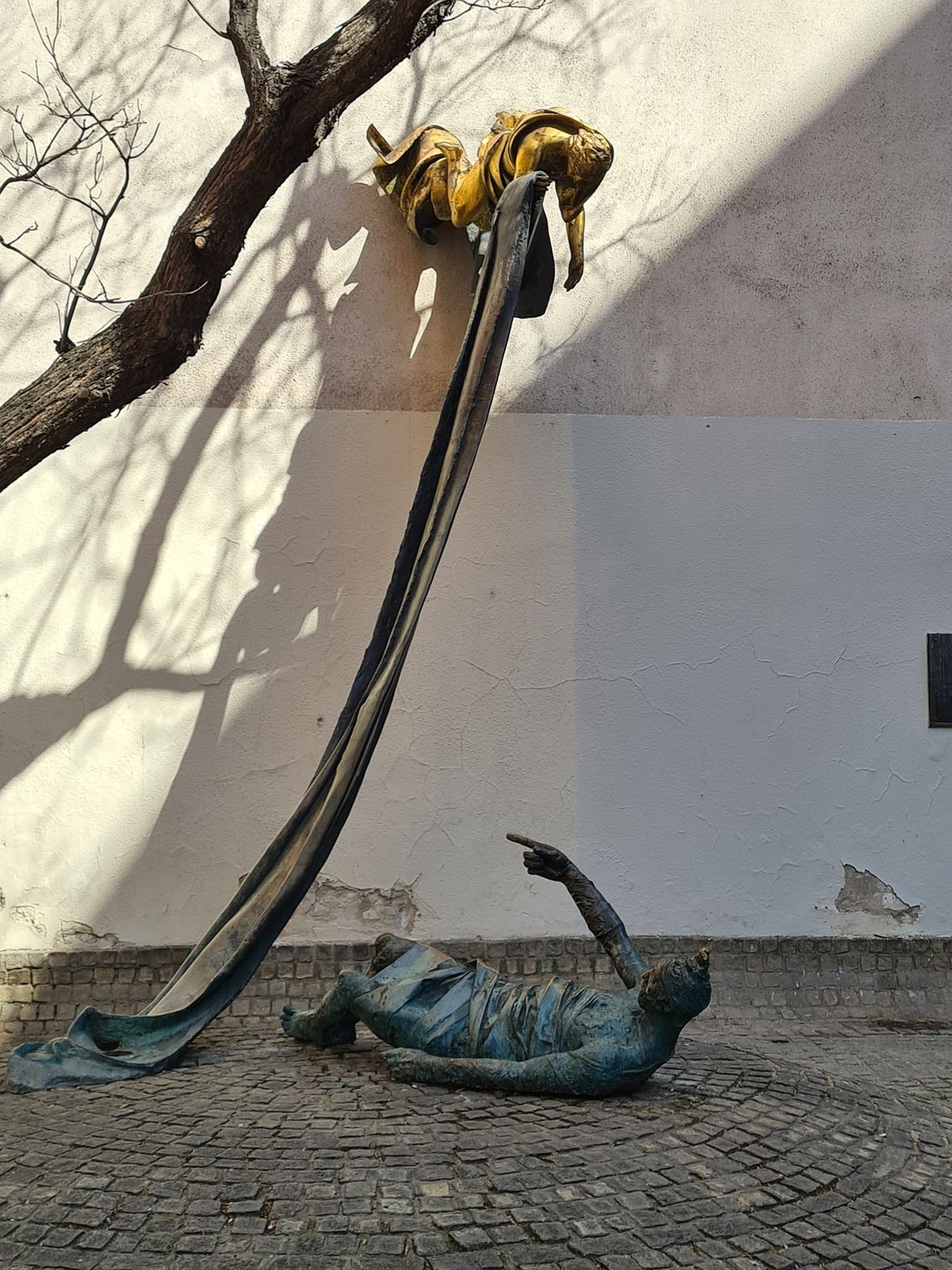
3 min walk
This memorial commemorates the Swiss diplomat who saved thousands of Jews in Budapest during the Holocaust, located near the former ghetto wall.
6 min walk
Representing the Orthodox branch of Judaism, this early 20th-century building complements the Neolog style of the Dohány Street Synagogue.
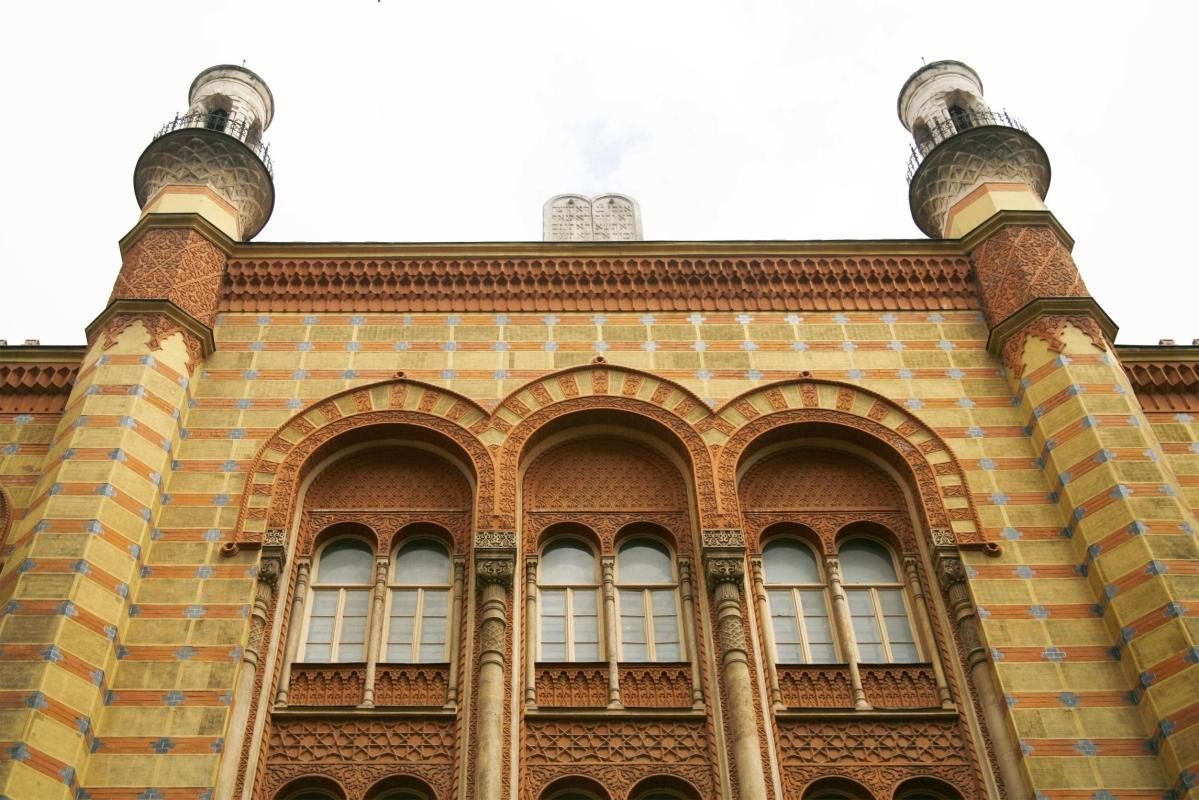
5 min walk
This restored Moorish Revival synagogue offers a look at the diversity of Budapest's Jewish architectural history and communal life.
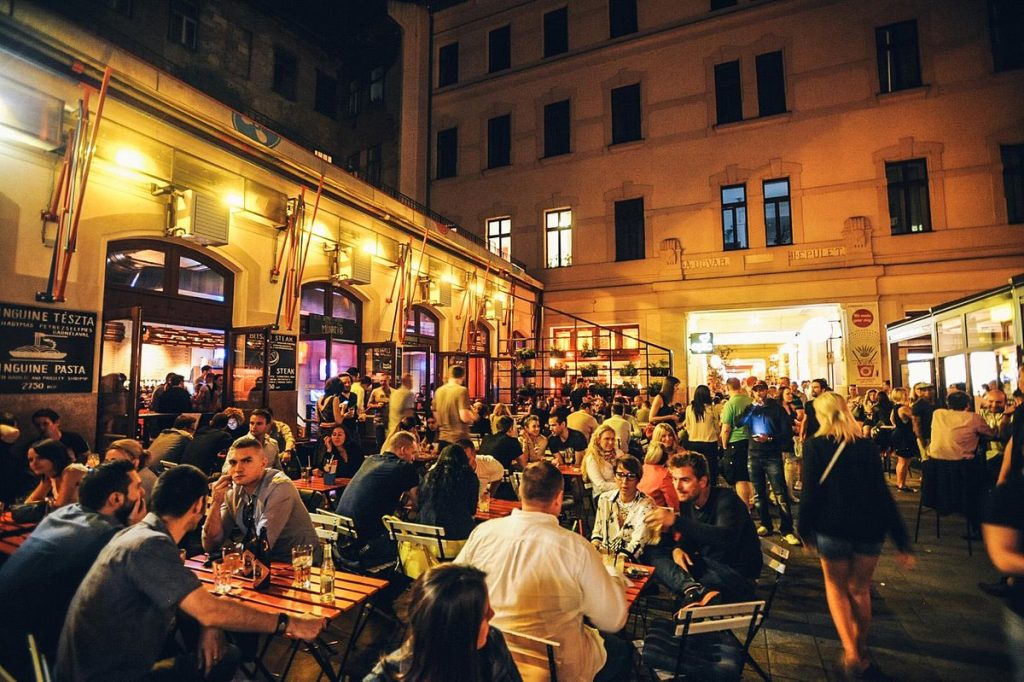
4 min walk
Once a vital part of the Jewish Quarter's commerce, this complex of interconnected courtyards now serves as a central hub for dining and local culture.
Everything you need to know about jewish sites in budapest
The entrance fee of 14,500 HUF provides access to the synagogue, the Jewish Museum, the cemetery, and the memorial garden. This comprehensive ticket allows you to experience the full complex in one visit.
To effectively explore Jewish sites in Budapest, it is best to allocate enough time to navigate the various sections of the complex. Refer to the specific arrival window recommendations to ensure you have an uninterrupted experience.
Visitors are expected to dress respectfully, which typically means covering shoulders and knees out of respect for the religious nature of the site. Please also be mindful of your conduct, as this is an active place of worship and a memorial.
Yes, the city offers several other points of historical significance beyond this location. You can incorporate a guided Budapest Jewish heritage tour to learn about the broader community history across the district.
For the most comfortable visit to Jewish sites in Budapest, the best arrival window is between 10:00 and 16:00. Arriving during these hours helps you avoid the heaviest mid-day queues and provides sufficient time to explore before the facility closes.
The synagogue maintains a respectful environment, so modest attire is required for all guests. Staff may deny entry if visitors do not comply with these guidelines.
Children are welcome to visit these cultural landmarks with their families. Many find the memorial garden and the architecture of the building educational and meaningful.
Budapest Jewish Heritage Guided Tour with Synagogue Ticket
Read more Tickets & toursJewish Heritage Tour with Synagogue Ticket
Read more GuideFree Jewish Walking Tour Guide
Read more GuideIs the Jewish Quarter in Budapest Safe?
Read more GuideJewish Quarter Walking Tour Map
Read more Tickets & toursBudapest Jewish Quarter Walking Tour
Read more